
The Ultimate Guide to On-Page SEO: Building a Search-First Foundation
On-page SEO is the practice of optimising individual pages — their content, HTML, structure and UX — so they rank in search and get cited by AI engines. It is the foundation every other SEO effort builds on.
In the rapidly shifting digital landscape of 2026, the way consumers find information has undergone a tectonic shift. While the algorithms have become more sophisticated, the core requirement remains the same: your website must be clear, relevant, and authoritative. At the heart of this requirement lies on-page SEO.
Whether you are a seasoned marketer or a business owner looking to scale, understanding how to optimize your own pages is the first step toward digital dominance. This guide explores the essential components of on-page optimization in the age of AI and fragmented search.
What Is On-Page SEO?
On-page SEO refers to the practice of optimizing individual web pages to rank higher and earn more relevant traffic in search engines. Unlike other forms of marketing, these are optimizations applied directly to the webpage content and HTML source code.
By fine-tuning these elements, you ensure that search engine crawlers can easily index your site. The primary goal is to improve rankings, relevance, and organic visibility. When done correctly, it provides a seamless experience for the user while signaling to search engines that your content is the best answer to a specific query.
On-Page vs. Off-Page SEO
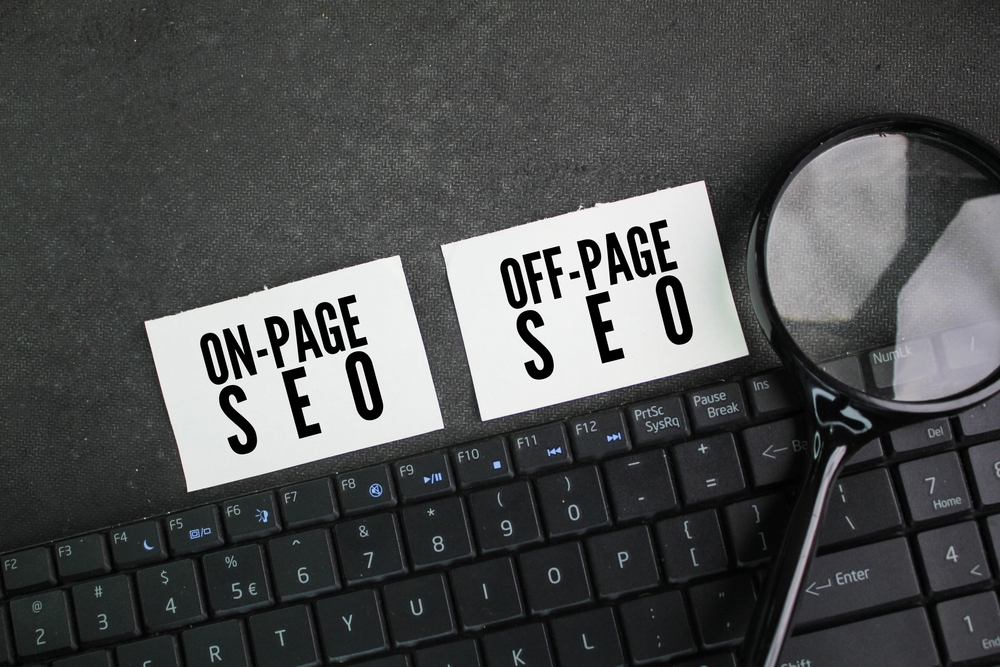
To build a holistic strategy, you must understand the two different sides of the SEO coin.
- On-Page SEO: These are fully controllable elements. You decide the content, the header tags, the meta descriptions, and the page loading speed.
- Off-Page SEO: These are external signals that you can influence but not entirely control, such as backlinks from other websites, social media mentions, and brand citations.
It is important to remember that strong on-page SEO is the foundation for all other SEO results. Even the most powerful backlink profile will fail to deliver long-term growth if the destination page is poorly optimized or irrelevant to the user.
Why On-Page SEO Matters
In 2026, search is no longer just about matching keywords; it is about satisfying intent. Proper optimization helps Google and generative AI models understand exactly what a page is about.
Beyond the technical side, these practices significantly improve the user experience. When a page is logically structured and loads quickly, engagement metrics rise. High engagement signals to search engines that your page is valuable, which creates a positive feedback loop for your rankings.
Core Element #1: Content Optimization
Content remains the most critical factor for success. However, the standard for “quality” has risen.
Search Intent Alignment
You must ensure that your content matches what the user is actually looking for. Are they trying to buy something, or are they seeking information? Providing original insights, clear structure, or updated perspectives is essential to stand out in a sea of AI-generated fluff.
Keyword Placement
While search engines have become smarter, they still rely on specific signals. Use your primary keywords naturally in the following areas:
- The H1 Tag (Title)
- The first 100 words of the introduction
- Subheadings (H2s and H3s)
- The concluding paragraph
Strictly avoid keyword stuffing. Modern algorithms are highly sensitive to unnatural language and may penalize pages that prioritize bots over human readers.
Core Element #2: HTML & Technical Basics
The “bones” of your page tell search engines how to interpret your information.
- Title Tags & Meta Descriptions: These are your digital storefront. They must be compelling, keyword-focused, and accurately reflect the page content.
- Short, Readable URLs: Use clean URL structures that tell both users and bots exactly where they are (e.g., website.com/on-page-seo-guide rather than website.com/p=1234).
- Logical Heading Structure: Use a clear hierarchy (H1 for the title, H2 for main sections, and H3 for subsections). This helps AI agents and screen readers parse your data efficiently.
Core Element #3: On-Page SEO for AI
With the rise of Answer Engine Optimization (AEO), your content must be structured for AI extraction.
AI-Friendly Structure
AI models favor content that is easy to summarize. Use lists, tables, and concise “answer snippets” (definitions of 40-60 words) to increase the likelihood of being cited in AI Overviews. According to recent search engine statistics, over 50% of searches now result in “zero-click” answers, making AI citations a vital visibility metric.
E-E-A-T Signals
Experience, Expertise, Authoritativeness, and Trustworthiness (E-E-A-T) are critical. Ensure your content includes clear author bios, links to reputable sources, and transparent “About Us” information to prove your credibility.
Core Element #4: UX & Performance
A page that is difficult to use will never rank well, regardless of how good the content is.
- Image Optimization: Use modern formats like WebP and include descriptive “alt text” to ensure accessibility and image search visibility.
- Internal Linking: Create a “web” of relevance by linking to other related pages on your site. This helps distribute link equity and keeps users on your site longer.
- Page Speed & Mobile: According to Google’s Core Web Vitals, even a one-second delay in mobile load times can impact conversions by up to 20%. Ensure your site is responsive and lightning-fast on all devices.
Measuring On-Page SEO Performance
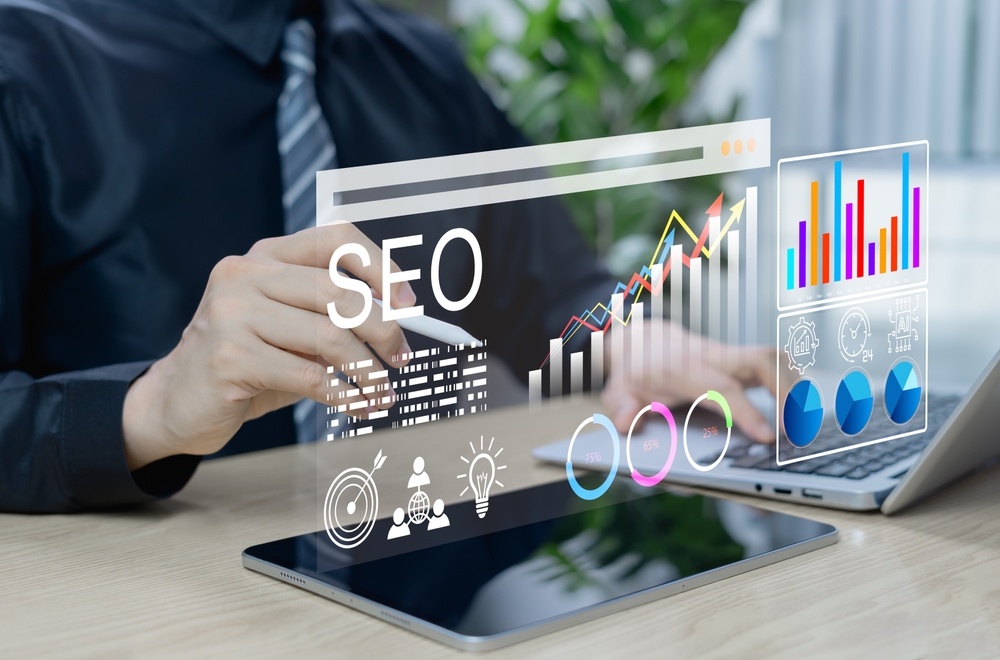
You cannot improve what you do not measure. Conducting regular SEO audits is the only way to ensure your strategy remains effective.
- Tools: Use Google Search Console (GSC) to monitor crawl errors and indexing. Use Google Analytics (GA4) to track user behavior.
- Key Metrics: Pay close attention to your keyword rankings, Click-Through Rate (CTR), and dwell time (how long a user stays on your page). A high dwell time usually indicates that your on-page SEO successfully matched the user’s intent.
In the evolving world of search, on-page SEO remains the base layer of visibility. It is the bridge between your brand’s expertise and the AI models that distribute information to your customers. By focusing on intent-driven content, technical clarity, and a superior user experience, you ensure that your website is not just seen, but trusted.
The digital landscape is competitive, but a well-optimized page is a long-term asset that continues to drive value year after year.
Partner with HaloTech today to execute a structured SEO strategy that combines technical expertise with creative content management. Contact us for a professional SEO Strategy Consultation and start your journey to the top of the search results.
Want to be found by nearby customers? Explore our local SEO services in Singapore.
Frequently Asked Questions
What is on-page SEO?
On-page SEO is optimising elements within a page — content quality, titles, headings, structure, internal links and UX — so search engines and AI engines can understand, rank and cite it.
What is the difference between on-page and off-page SEO?
On-page SEO is what you optimise on your own pages (content, HTML, UX); off-page SEO is authority you earn elsewhere (backlinks, mentions, reviews). Both are needed to rank.
What are the key on-page SEO elements?
Helpful, well-structured content; optimised titles and meta; clear heading hierarchy; keyword-relevant, answer-first copy; internal linking; fast, mobile-friendly UX; and structured data.
 Back
Back