
The Evolution of Event Production in Singapore’s Competitive Market: 7 Winning Strategies
The evolution of event production in Singapore’s competitive market represents a dynamic transition toward integrated, tech-driven, and highly experiential business gatherings. Over the past few years, the Lion City has rigorously reinforced its reputation as Asia’s premier destination for high-stakes corporate conventions and international exhibitions. Consequently, the sector has demonstrated remarkable financial vitality and resilience. In 2025, Singapore’s Meetings, Incentives, Conventions, and Exhibitions (MICE) tourism receipts surged by more than 35% year-on-year, reaching a staggering SGD 2.3 billion. This robust financial trajectory reflects an industry adapting swiftly to shifting international expectations. Therefore, understanding the key drivers behind this monumental shift is absolutely essential for any brand aiming to leave a lasting impression in Southeast Asia.

Unpacking The Evolution of Event Production in Singapore’s Competitive Market
The structural framework of corporate gatherings in Singapore has expanded far beyond traditional, isolated exhibition halls. Industry stakeholders are increasingly embracing the concept of “festivalisation”, transforming rigid professional conferences into multi-faceted city-wide experiences. Planners now merge professional summits with high-end dining, wellness programs, and cultural immersion across various urban precincts.
To facilitate this dispersed, holistic format, major public investments are already underway. During the Tourism Industry Conference on 8 May 2026, Grace Fu, Minister-in-charge of Trade Relations, announced that the government identified the Straits View area near Marina Bay as the potential location for a massive new Downtown MICE Hub (DMH). This dedicated zone will form a vibrant cluster linking professional facilities with accommodation, dining, retail, and entertainment. Consequently, the evolution of event production in Singapore’s competitive market provides corporate planners with unprecedented spatial versatility to execute decentralized, highly engaging gatherings.
Technological Integration Reshaping Modern Operations
In a market largely defined by fierce rivalry, advanced digital infrastructure has transitioned from an optional enhancement to a strict operational baseline. Modern event execution relies heavily on intelligent software systems that optimize delegate interactions and capture high-resolution audience analytics. For instance, comprehensive management software now effectively tracks delegate engagement trajectories from initial online registration through to post-session feedback forms. Thus, corporate sponsors gain clear, verifiable metrics regarding their return on investment.
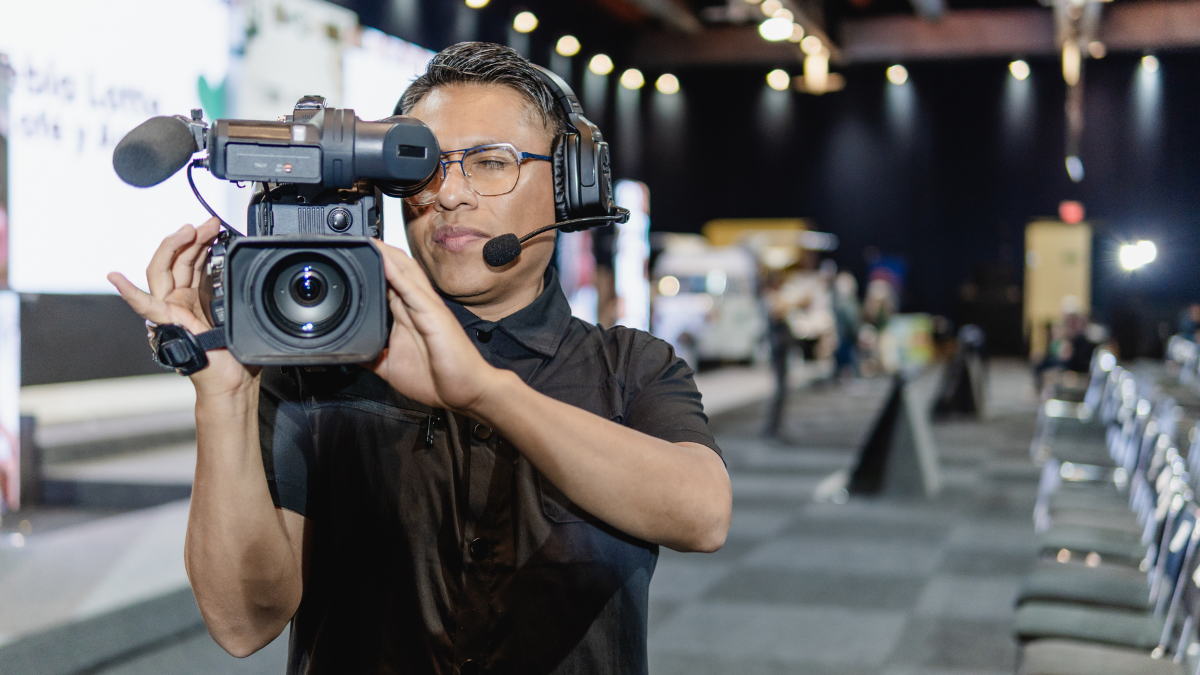
Furthermore, on-site engagement solutions are becoming increasingly immersive. Platforms offering AI Cloud Photography provide near-instantaneous processing and direct distribution of professional visual assets to participants. Additionally, Radio Frequency Identification (RFID) interactive chips are rapidly replacing legacy paper ticketing credentials. By integrating RFID chips directly into wristbands or lanyards, production teams can manage crowd flow efficiently, implement seamless cashless services, and analyze attendee dwell times securely. Therefore, robust technological adoption remains the primary catalyst defining the evolution of event production in Singapore’s competitive market today.
Strategic Private-Sector Synergy Across Hospitality
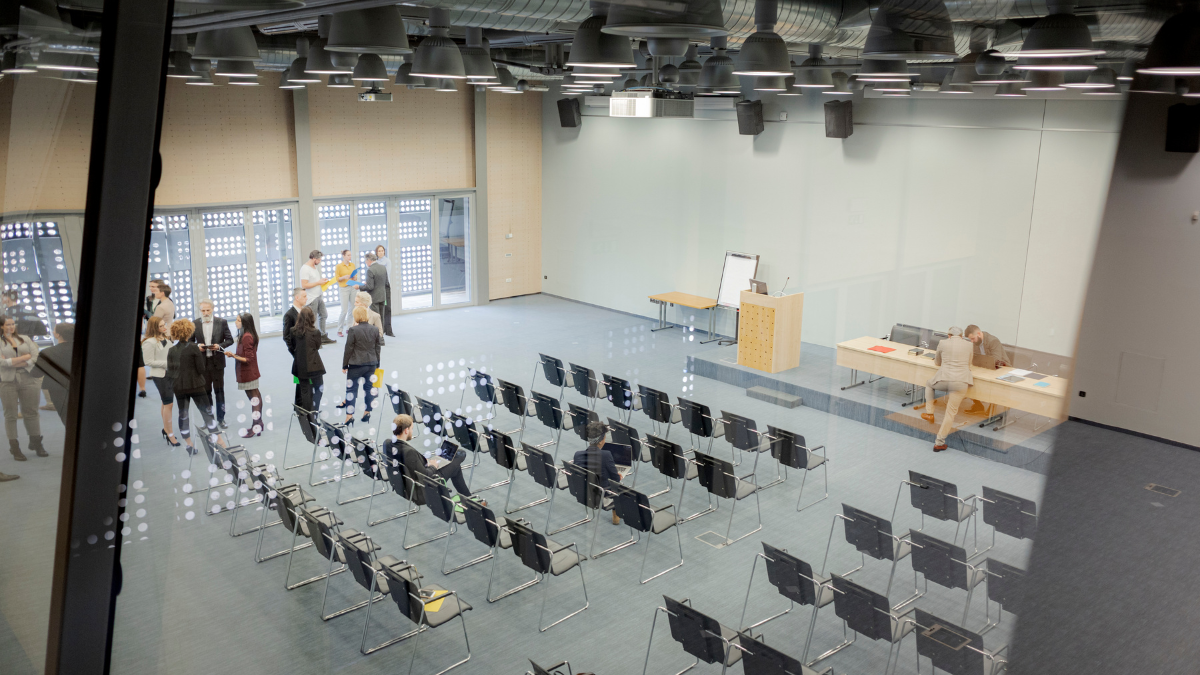
Delivering flawless international gatherings requires tight operational alignment across the broader hospitality ecosystem. In Singapore, private-sector suppliers and hoteliers actively collaborate to offer cohesive services for high-profile summits. A prominent example is the Singapore Hotels Incentives for Business Events (SHINE) initiative, supported by twenty-two partner hotels representing up to 25 per cent of Singapore’s total hotel room inventory.
This collaborative corporate program deliberately avoids centralizing visiting guests into a single financial district. Instead, participating luxury properties span varied historical and lifestyle zones, from the central business district to lifestyle destinations. Consequently, production agencies can seamlessly introduce international delegates to localized culture while maintaining strict five-star service benchmarks. Ultimately, these cooperative alliances significantly enhance Singapore’s competitive appeal against rival regional convention hubs. To navigate these expansive accommodation options successfully, event organizers must maintain strong local partnerships.
Maintaining Regional Leadership Amidst Global Competition
Retaining top-tier international status demands proactive market defense in an increasingly unpredictable economic environment. To assist local organizers in attracting global participation, the Singapore Tourism Board (STB) has actively launched initiatives such as the Business Event in Singapore (BEiS) Build Foundation incentive scheme, which helps defray business development costs to pursue major MICE leads.
This institutional support directly contributes to exceptional event turnouts and independent global accolades. For example, the MTX (Milipol TechX) summit held in April 2026 attracted over 21,000 visitors from 89 different countries, easily surpassing its initial conservative projection of 15,000 expected attendees. Moreover, the International Congress and Convention Association (ICCA) ranked Singapore as the top Meeting City in the Asia Pacific region for the 23rd consecutive year, having hosted 156 qualifying meetings in 2025 alone. Additionally, the prominent business event platform Cvent officially recognized Singapore as its Top Meeting Destination in Asia Pacific for 2026, marking the destination’s eighth prestigious win since 2016.
Infrastructure and the Long-Term Tourism 2040 Vision
Looking closely toward the next decade, national tourism planners are working diligently toward a highly ambitious Tourism 2040 roadmap. A core fiscal target set by the government is to systematically triple MICE tourism receipts from current levels by 2040. Meeting these aggressive long-term financial goals naturally requires a forward-looking spatial development pipeline.
To expand city-wide capacity and enrich the delegate journey, upcoming lifestyle landmarks are scheduled for completion by 2030. These major infrastructural developments include the Therme Singapore wellness destination and an expansive wetlands project designed to house a new teamLab museum. Furthermore, these structural mega-developments will ultimately empower companies handling professional events to deliver holistic “bleisure” experiences that organically encourage international delegates to extend their corporate stays. Therefore, the evolution of event production in Singapore’s competitive market is distinctly underpinned by continuous infrastructure development that expertly merges business requirements with world-class leisure assets.
Partner with Halo Tech Media for Your Next Event
Navigating the sophisticated requirements of modern Singaporean gatherings naturally demands an experienced, locally grounded technical partner. Halo Tech Media stands out as a premier full-service digital marketing and event tech agency strategically based in Singapore.

References & Sources
-
Singapore Tourism Board (STB): Official data on Singapore’s MICE tourism receipts, the Business Event in Singapore (BEiS) incentive scheme, and Tourism Industry Conference announcements regarding the Downtown MICE Hub (DMH).
-
International Congress and Convention Association (ICCA): Annual statistics report ranking Singapore as the top Meeting City in the Asia Pacific region for the 23rd consecutive year.
 Back
Back