
UI/UX Design: Crafting User Experiences That Turn Visitors into Buyers
UI makes a product look good; UX makes it work seamlessly. Together, strong UI/UX design turns casual visitors into buyers by removing friction and building trust at every step of the journey.
Welcome to the digital storefront of the modern era. Imagine walking into a brand-new, highly hyped restaurant in the middle of town. The exterior looks breathtaking, featuring neon signs, towering glass windows, and polished mahogany doors. However, once you step inside, you realize the tables are scattered randomly, blocking your path. The menu is written in a microscopic, illegible font, and the waiters are absolutely nowhere to be found. Therefore, despite the beautiful visual facade, you leave feeling frustrated, exhausted, and hungry.
This exact scenario plays out millions of times a day on the internet. Your website is that restaurant.
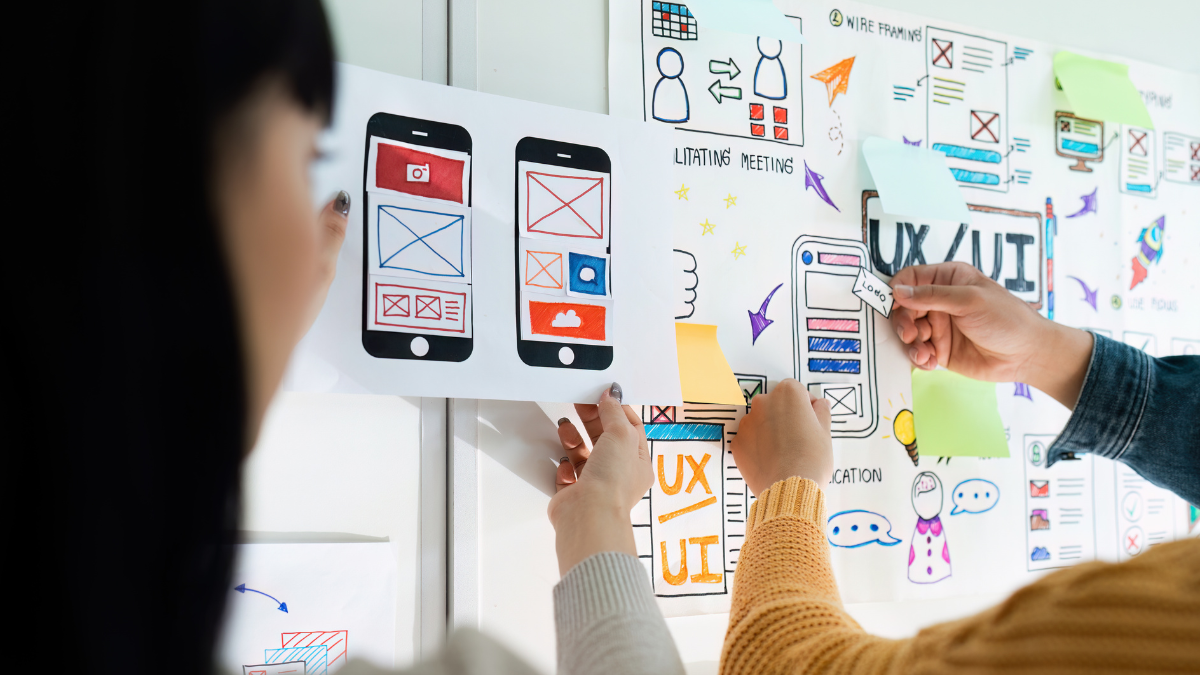
Let us break down the technical jargon. UI (User Interface) is the paint, the lighting, and the elegant plates in our restaurant analogy. It encompasses all the visual elements of your digital presence, such as the typography, color palettes, interactive buttons, and screen spacing. UX (User Experience) is the invisible choreography of the entire meal. It dictates how easily you find your table, how intuitively the menu is organized, and how quickly the food arrives at your seat. Thus, UI makes your digital product look incredible, while UX ensures it functions seamlessly. When you combine the two disciplines effectively, you do not just get casual visitors. You get eager buyers.

The Psychology of Conversion: Why Good Design Opens Wallets
Humans are fiercely protective of their mental energy and precious time. Psychologists refer to this concept as cognitive load, which is the total amount of brainpower required to complete a specific task. Whenever a potential customer lands on your website, an invisible timer instantly starts ticking. Modern internet users have an attention span shorter than a goldfish. Consequently, you have mere milliseconds to convince them to stay. If they have to hunt aggressively for the search bar, squint at poorly contrasted text, or navigate a chaotic maze of pop-ups, their cognitive load skyrockets. Ultimately, they will abandon their shopping cart and flee directly to a competitor’s site.
Conversely, smooth navigation and beautiful design compel people to spend money by creating a state of psychological flow. Frictionless experiences eliminate consumer doubt. Therefore, when an interface correctly anticipates a user’s needs, it builds immediate, unbreakable trust. People naturally associate high-quality design with high-quality products and services. This fascinating phenomenon is known in the design world as the Aesthetic-Usability Effect. Users tend to perceive highly attractive products as significantly more usable, often forgiving minor glitches simply because the digital environment looks professional and polished.
Furthermore, we must deeply consider Hick’s Law. This psychological principle states that the time it takes for a person to make a decision increases exponentially with the number and complexity of choices presented to them. Imagine standing in front of a massive restaurant menu featuring five hundred different items. The sheer volume of choices induces immediate decision paralysis. Exceptional UX design ruthlessly eliminates unnecessary options on a webpage. By carefully curating the digital journey and highlighting clear, distinct calls to action, you gently guide the user toward the checkout page. Hence, you are not manipulating your audience. You are simply removing the frustrating roadblocks between their initial desire and your ultimate solution.
Real-World Case Studies: Billions Built on Better Design
To truly grasp the massive financial impact of UI/UX, we must examine the titans of the technology industry. These highly successful companies did not stumble into market dominance by pure accident. Instead, they meticulously crafted user experiences that turned casual digital browsing into a daily global habit.
Case Study 1: Amazon and the $300 Million Button
Before becoming the undisputed king of global e-commerce, Amazon faced a massive, crippling problem with shopping cart abandonment. Customers would happily fill their digital carts, proceed to the checkout screen, and suddenly face a mandatory account registration form. This intrusive form asked for email addresses, complex passwords, and billing details before the transaction could be finalized. Although it seemed like a standard business practice at the time, it created an insurmountable wall of friction.
It was a massive commitment for a new user who simply wanted to purchase a single book. The UX team quickly realized that forcing registration felt like asking for marriage on a first date. Therefore, they replaced the mandatory registration wall with a simple, brilliant concept. They introduced a guest checkout option featuring a button that merely said, “Continue.” They also pioneered the legendary “1-Click” ordering system for returning loyal customers. By storing payment and shipping information securely behind the scenes, Amazon eliminated the multi-step checkout process entirely.
What was the dramatic result of this UX tweak? The company saw a staggering 45% increase in purchasing traffic almost overnight. This single, highly targeted design adjustment resulted in an extra $300 million in revenue within the very first year. Thus, removing a simple psychological barrier transformed Amazon’s financial trajectory forever.
Case Study 2: Airbnb’s High-Resolution Revolution
In 2009, Airbnb was struggling severely and teetering on the brink of bankruptcy. The founders were desperate to understand why their property listings in New York City were barely generating any bookings or revenue. Upon investigating the platform carefully, they noticed a glaring, fundamental UI problem. The photographs uploaded by the property hosts were universally terrible. They were heavily pixelated, poorly lit, and frankly, completely uninviting.
Although the underlying booking technology worked perfectly, the visual interface failed miserably to build consumer trust. Nobody wanted to pay hard-earned money to sleep in a room that looked like a scene from a low-budget horror movie. Consequently, the founders flew directly to New York, rented a high-quality professional camera, and took stunning photos of the listings themselves.
This seemingly small UI enhancement changed everything for the startup. High-resolution, beautifully framed images instantly elevated the perceived value of the rented properties. The new visual interface clearly communicated safety, cleanliness, and premium comfort. Within a single month, Airbnb’s weekly revenue miraculously doubled. By focusing obsessively on the visual and emotional experience of their users, they successfully pivoted from a failing startup into a multi-billion-dollar hospitality empire.
Case Study 3: Duolingo’s Gamified Retention
Learning an entirely new language is notoriously difficult and requires immense, daily discipline. Duolingo faced the daunting challenge of keeping users actively engaged over incredibly long periods of time. Traditional educational software was historically clunky, text-heavy, and remarkably boring. However, Duolingo revolutionized the educational market by seamlessly merging language learning with mobile gaming UX.
They implemented engaging features like daily login streaks, experience points, and an adorable, slightly aggressive green owl mascot that sends humorous push notifications. The UI is bright, highly colorful, and heavily relies on visual cues rather than intimidating blocks of text. The UX brilliantly breaks down complex grammar lessons into bite-sized, interactive micro-tasks. When a user successfully completes a lesson, celebratory animations and satisfying sound effects trigger a massive dopamine release in the brain.
This neurochemical reward system is precisely why mobile video games are so incredibly addictive. Therefore, instead of feeling like tedious studying, using the app feels exactly like playing a fun game. This masterful application of gamification UX drastically reduced user churn rates. Today, Duolingo boasts millions of daily active users who are deeply committed to maintaining their learning streaks, proving that a delightful user journey guarantees long-term customer retention.
Essential UI/UX Principles for Your Business
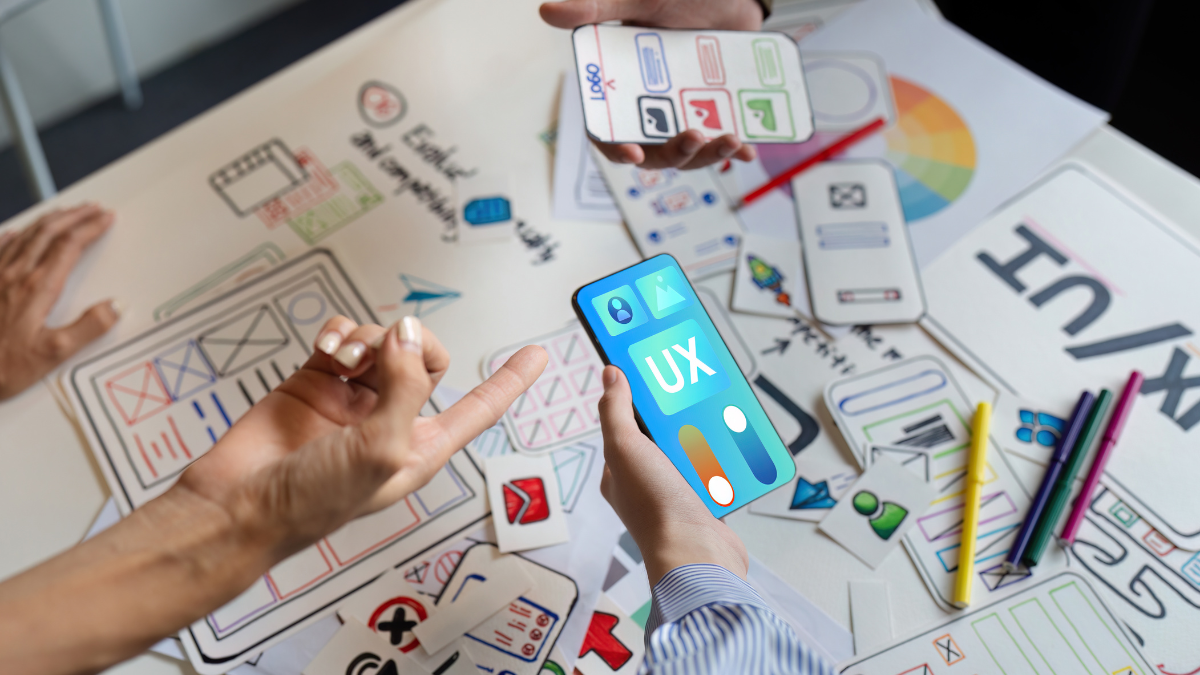
You might be wondering how to seamlessly apply these billion-dollar strategies to your own digital storefront. Fortunately, you do not need an infinite corporate budget to create a high-converting website. You simply need to focus on a few fundamental design principles that govern modern human-computer interaction.
-
Mobile-First Design: Over half of all global web traffic currently originates from mobile devices. If your website requires users to pinch and zoom just to read a paragraph on their smartphone, they will bounce immediately. Therefore, your UI must scale flawlessly and elegantly across all potential screen sizes.
-
Intuitive Navigation: Your main website menu should act as a clear, unmistakable map. Users should never have to guess where they currently are or how to quickly get back to the home page. Utilizing standard, universally recognized icons reduces the heavy cognitive load we discussed earlier.
-
Consistent Visual Hierarchy: Human eyes naturally gravitate toward the largest, brightest elements on any given page. By strategically utilizing font size, vibrant color, and stark contrast, you can direct your visitor’s attention exactly where you want it to go. Thus, your “Buy Now” or “Contact Us” buttons should stand out fiercely against the background.
-
Lightning-Fast Load Times: In the modern digital world, consumer patience is practically non-existent. If your landing page takes more than three seconds to load, your conversion rates will drop dramatically. Optimizing image file sizes and streamlining complex backend code are vital UX practices that happen entirely behind the scenes.
-
Accessible Design: Designing strictly for accessibility ensures that users with visual, auditory, or motor impairments can easily navigate your site. Utilizing high-contrast text, descriptive alt-tags for images, and keyboard-friendly navigation is not just morally right. It also expands your potential customer base significantly.
-
Microinteractions: These are the subtle, animated responses that occur when a user physically interacts with your site. When a button gently changes color as you hover your mouse over it, you are experiencing a microinteraction. These tiny, thoughtful details communicate clearly that the website is alive, highly responsive, and well-maintained.
Contact us today and let our team build an unforgettable, high-converting experience for your brand.

References
-
Nielsen Norman Group: Minimize Cognitive Load to Maximize Usability
-
Interaction Design Foundation: Hick’s Law: Making the Choice Easier for Users
Frequently Asked Questions
What is the difference between UI and UX?
UI (user interface) is how a product looks — layout, colours, typography, buttons. UX (user experience) is how it works — flow, ease and satisfaction. Great products need both working together.
How does UI/UX design increase conversions?
By removing friction, building trust and guiding users clearly toward action. Faster, clearer, more intuitive experiences reduce drop-off and turn more visitors into customers.
What are essential UI/UX principles for business?
Clarity and simplicity, fast performance, consistency, mobile-first design, accessibility, strong visual hierarchy, trust signals, and a frictionless path to a single clear action per page.
 Back
Back