
The Ultimate Breakdown: Why Media Buying on Xiaohongshu Is Completely Different from Facebook and TikTok
Media buying on Xiaohongshu works differently from Facebook and TikTok. Where Meta relies on lookalikes and pixels and TikTok on viral push, Xiaohongshu rewards search-driven discovery, KOL/KOC seeding and trust — so the Meta/TikTok playbook fails on RED.
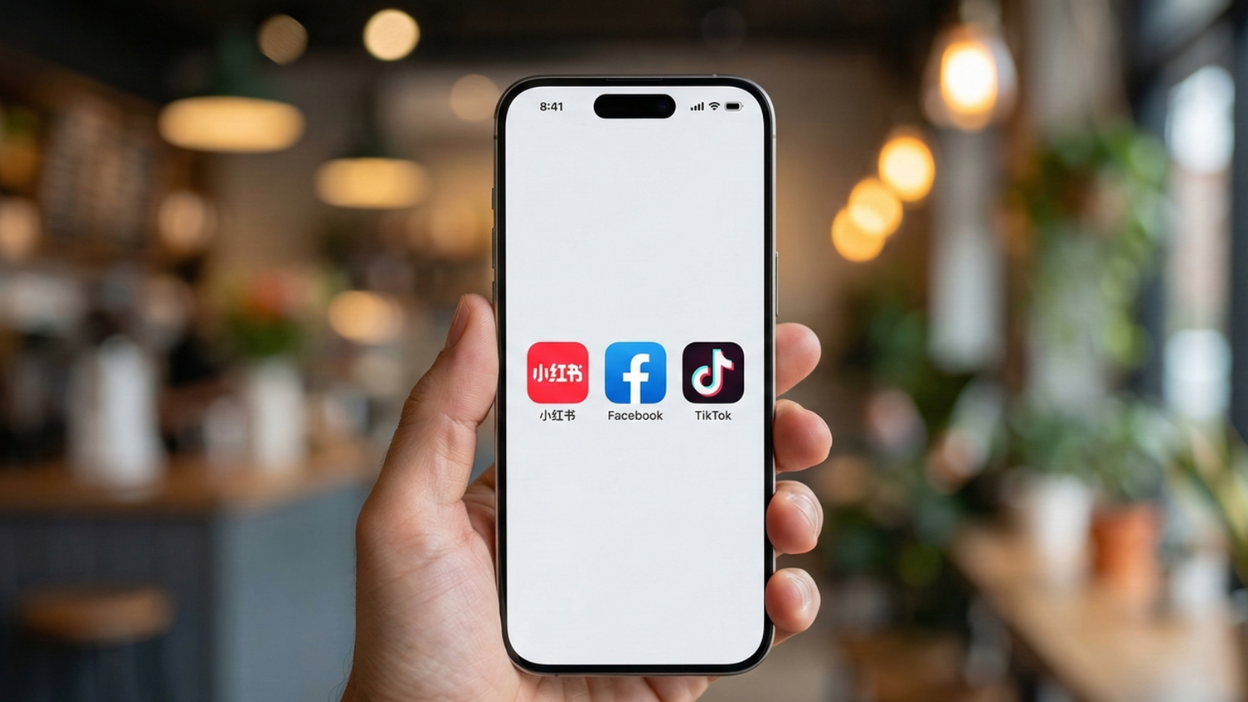
Xiaohongshu is fundamentally different from both Facebook and TikTok. Facebook relies heavily on social graphing, lookalike audiences, and sophisticated pixel-based retargeting. TikTok thrives on its “For You” page, prioritizing short bursts of viral entertainment and dopamine-driven passive consumption. Conversely, Xiaohongshu operates as a complex, hybrid engine. It merges the aesthetic inspiration of Instagram with the deliberate search intent of Pinterest and the deep, review-driven trust of TripAdvisor.
A Search-Driven Discovery Platform
Users do not merely scroll mindlessly on XHS; they actively research. Whether seeking complex skincare routines, luxury handbag reviews, or exhaustive travel itineraries, the community treats the platform as a primary search engine. Therefore, Xiaohongshu marketing must prioritize search visibility and keyword optimization over disruptive interruption. High-intent users are looking for answers, making informative, long-form content far more effective than punchy slogans.
A Trust-Based Community
Authenticity is the ultimate currency on Little Red Book. Consumers flock to the platform specifically for genuine reviews, detailed step-by-step tutorials, and unvarnished opinions from their peers. Unlike the heavily polished, studio-quality ads that frequently perform well on Facebook, XHS users demand transparency. They want to see the texture of a cream, the real-world fit of a garment, and the honest pros and cons of a tech gadget.
A Social-Commerce Hybrid Ecosystem
The platform seamlessly integrates content consumption with purchasing capability. Users can read a detailed product review, evaluate comments from other buyers, and complete a transaction without ever leaving the application. This closed-loop ecosystem perfectly defines the modern era of social commerce in China. It shortens the friction between discovery and purchase, provided the user’s trust has been fully secured.
The High-Value XHS Audience Demographics
Before dissecting media buying tactics, brands must clearly understand exactly who they are paying to reach. The platform boasts a highly coveted, trend-setting demographic profile that drives consumption trends across the nation.
- Approximately 85% of active users are under the age of 30.
- Over 70% of the user base is female.
- Users exhibit exceptionally high purchasing power, predominantly residing in Tier 1 and Tier 2 cities such as Shanghai, Beijing, and Guangzhou.
- The platform reaches a vast global Chinese audience, making it a critical strategic channel for international brands targeting the Chinese diaspora, international students, and global travelers.
Key Structural Differences in Media Buying
The mechanics of XHS media buying diverge sharply from the established norms of Meta and TikTok. To succeed in Little Red Book advertising, marketing leaders must adapt their strategies to accommodate several core structural differences.
User Intent vs. Passive Scrolling
On Facebook and TikTok, advertisements are designed to interrupt passive scrolling. The primary goal is to capture visual attention within the first three seconds before the user swipes away to the next video. On XHS, users frequently arrive with explicit, high purchase intent. They are actively seeking solutions to specific problems or vetting a product before buying. Hence, advertising creative must position the product as the definitive answer to a query, requiring deeply informative copy and authentic imagery rather than flashy, fleeting visuals.
Algorithm Behavior and the Engagement Score
Facebook optimizes for immediate conversions based on historical pixel data and machine learning. TikTok optimizes heavily for video watch time, completion rates, and viral sharing loops. Xiaohongshu’s algorithm functions on a Community Engagement Score (CES). This algorithm heavily favors content utility, measured by “save” (collect) rates and search relevance. If a promoted post is not inherently useful enough to be saved by users for future reference, paid amplification will yield rapidly diminishing returns.
Content-First Ad Integration
Traditional banner ads or overtly promotional brand videos fail miserably on XHS. Native integration is absolutely paramount. Paid media on XHS usually involves boosting high-performing organic posts or amplifying influencer-generated content. The advertisement must look, feel, and read exactly like organic community content, adhering to the platform’s editorial, magazine-like aesthetic.
The Crucial Role of KOL Seeding Before Amplification
You cannot simply launch a bottom-of-funnel conversion campaign on XHS for a new, unknown product and expect immediate sales. Trust must be established organically first. A comprehensive KOL seeding strategy is mandatory. Brands must distribute products to Key Opinion Leaders (KOLs) and Key Opinion Consumers (KOCs) to generate a critical mass of authentic, user-generated reviews. This process is locally known as “Zhongcao” (planting grass), which translates to sparking a desire to purchase. Only after this foundational layer of trust is built should brands activate XHS media buying to amplify the best-performing seeded posts.
Conversion Pathways and Consumer Trust Signals
Meta relies on impulse clicks leading directly to an external landing page or Shopify store. XHS conversions follow a slower, more deliberate pathway but ultimately yield higher lifetime customer value. Consumers may read multiple extensive posts, scrutinize comment sections for dissenting opinions, and cross-reference a product with other KOLs before making a financial commitment. The depth of the written content and the authenticity of the community comments act as the primary trust signals that trigger a conversion.

Why Meta & TikTok Playbooks Fail on Little Red Book
Applying Facebook’s rapid-fire A/B testing or TikTok’s viral trend-chasing logic to Xiaohongshu is a fundamental strategic error. Performance marketers are traditionally accustomed to optimizing for immediate Cost Per Acquisition (CPA) using direct-response creatives. However, XHS operates on an elongated, research-heavy consideration cycle.
When a brand attempts a hard sell without prior seeding, the sophisticated user base actively rejects the content. Chinese Gen Z consumers are highly sensitive to inauthentic endorsements and overt commercialization. Furthermore, algorithmic penalties await content that lacks genuine engagement metrics like saves and organic shares. Therefore, a purely transactional, direct-response approach disrupts the trust-based nature of the platform. Global brands must pivot from demanding immediate clicks to cultivating long-term desire, educational value, and robust brand equity.
Common Mistakes Brands Make When Entering XHS
Even with robust marketing budgets, global brands frequently stumble upon market entry. These expensive missteps usually stem from a lack of cultural nuance and platform-specific knowledge.
- Translating Instead of Localizing: Simply translating English ad copy into Mandarin ignores local slang, cultural references, and the specific aesthetic preferences of the Chinese market.
- Ignoring the Power of KOCs: Brands often overspend on massive, top-tier celebrities while neglecting Key Opinion Consumers. KOCs possess smaller followings but wield incredible conversion power due to their perceived authenticity, relatability, and peer-to-peer trust.
- Treating XHS Strictly as a Sales Channel: Brands that fail to provide educational, inspiring, or aesthetic value will struggle to build an audience. The platform requires an editorial approach rather than a catalog-like transactional focus.
- Skipping the Keyword Strategy: Since XHS functions effectively as a search engine, neglecting SEO optimization within post captions, titles, and hashtags renders the content invisible to high-intent users actively searching for your category.
Strategic Recommendations for Winning on XHS
To harness the full commercial potential of Xiaohongshu marketing, brands must adopt a holistic, community-first approach.
- Deploy a Matrix Seeding Strategy: Build a diverse portfolio of influencers. Utilize top-tier KOLs for broad brand awareness, mid-tier influencers for category authority, and micro-KOCs for localized trust and search volume saturation.
- Prioritize Educational and Aesthetic Content: High-quality, lifestyle-oriented visuals are non-negotiable. Pair beautiful imagery with deeply detailed, informative text that guides the user through product benefits, exact ingredients, or varied styling options.
- Leverage High-Intent Search Data: Conduct thorough native keyword research. Understand exactly what your target demographic is searching for and tailor your content production to answer those specific, granular queries.
- Embrace Patience in the Media Buying Process: Allow adequate time for organic seeding to take root and generate engagement. Identify the organic posts that resonate most strongly with the community’s CES metrics, then carefully apply paid media dollars to scale those proven winners.

Partnering for Success with Halo Tech Media
Navigating the complexities of Chinese Gen Z consumers and the intricate Xiaohongshu ecosystem requires deep, localized MarTech expertise. This is precisely where specialized agency partners become invaluable to your growth trajectory.
Halo Tech Media is a premier Singapore-based MarTech agency specializing exclusively in Xiaohongshu marketing. As a proud, integrated part of the Digit Spark Network—which spans eight global offices—Halo Tech Media possesses the strategic infrastructure, data capabilities, and local market intelligence to scale your brand effectively across China.
Halo Tech Media provides a comprehensive, One-Stop Service designed to eliminate the guesswork and mitigate the risks of your XHS market entry:
- Content Strategy: Crafting hyper-localized, visually stunning, and culturally resonant editorial plans that align perfectly with shifting platform trends.
- Account Positioning and Growth: Establishing a compelling official brand presence that attracts, engages, and retains high-value followers.
- KOL/Influencer Seeding: Managing end-to-end influencer campaigns, deploying a highly strategic mix ranging from Top-Tier KOLs down to highly trusted Micro-KOCs to saturate search results.
- Media Buying and Paid Amplification: Executing sophisticated, data-driven XHS media buying campaigns to boost proven content, capture high-intent search traffic, and drive measurable ROI.
Contact Halo Tech Media today to build your custom, data-backed Xiaohongshu growth strategy and dominate the world’s most dynamic social commerce ecosystem.

References and Sources
Ready to run media buying on RED? Explore our Xiaohongshu marketing agency in Singapore.
Frequently Asked Questions
How is media buying on Xiaohongshu different?
Xiaohongshu is search- and trust-led, not push-led. Success comes from seeding authentic creator notes and optimising for in-app search and saves, rather than lookalike audiences and pixel retargeting.
Why do Facebook and TikTok strategies fail on Xiaohongshu?
Because XHS users actively research rather than passively scroll. Interruptive, conversion-first ads underperform; the platform rewards authentic, helpful content and accumulated social proof.
What works for Xiaohongshu media buying?
A blend of KOL/KOC seeding, search-optimised notes, and native paid formats — building a volume of trusted reviews that match the platform's research-driven user behaviour.
 Back
Back