
Explosive AI Trends Taking Over Event Marketing in 2026
AI is transforming event marketing in 2026 — powering predictive planning, biometric and facial-recognition check-in, real-time AI cloud photography, personalised attendee journeys and instant post-event analytics. The events that win pair this automation with human creativity rather than replacing it.
The roar of the crowd, the clinking of glasses at a networking mixer, and the electric hum of a keynote stage have long been the hallmarks of successful event marketing. For decades, the industry relied on manual logistics and post-event surveys to measure success. However, as we move further into 2026, a fundamental shift is occurring. Artificial Intelligence (AI) is no longer a futuristic concept relegated to science fiction; it has become the silent architect behind the world’s most sophisticated brand experiences.
The global events industry, valued at over $1.1 trillion pre-pandemic, is undergoing a digital renaissance. According to recent data from Statista, the event technology segment is projected to grow at a compound annual growth rate (CAGR) of over 12% through 2030. This growth is driven by a singular demand: hyper-personalization. Modern attendees no longer wish to be passive observers; they expect experiences tailored to their specific professional needs and personal interests. AI is the only tool capable of delivering this level of precision at scale.
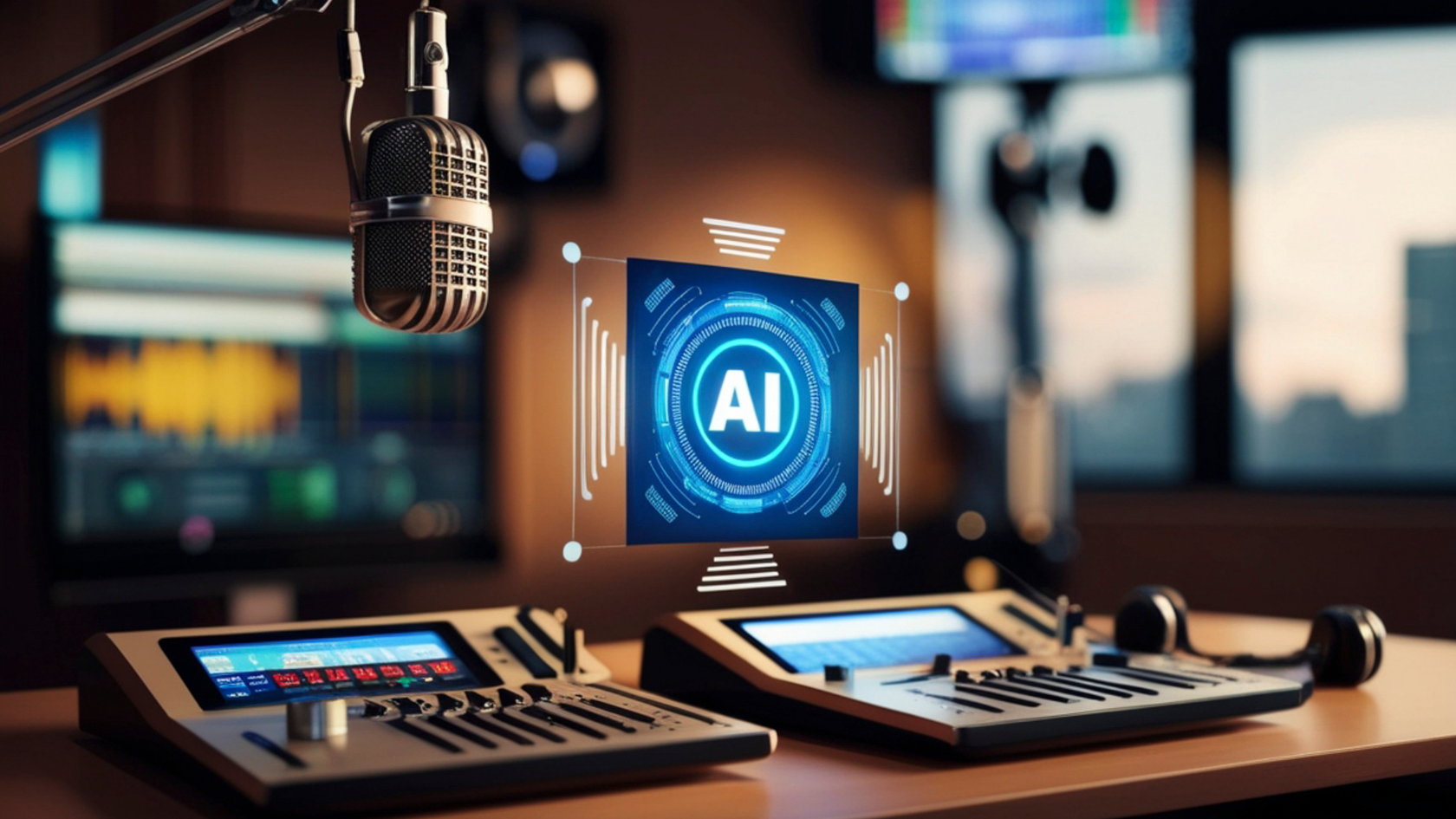
The Architecture of Intelligence: Planning and Prediction
The transformation begins long before the first attendee scans their badge. In the planning phase, AI is moving from a generative tool for copy to a predictive engine for logistics. Platforms are now using machine learning algorithms to analyze historical data from previous exhibitions and conferences to predict registration curves, peak arrival times, and even food and beverage consumption.
Gartner recently highlighted that “AI-driven predictive analytics can reduce operational waste in large-scale events by up to 30%.” By analyzing variables such as local traffic patterns, historical weather data, and real-time social media sentiment, organizers can adjust staffing levels and session schedules dynamically. This level of foresight allows planners to move from a reactive stance to a proactive one, ensuring that the infrastructure of an event is as fluid as the conversations happening within it.
Redefining the Attendee Journey: From Kiosks to Biometrics
First impressions are pivotal in event marketing. The traditional image of long, winding queues at registration desks is being dismantled by high-speed automation. Modern registration systems now utilize self-service kiosks that can process approximately 240 people per hour. These systems do more than just check names; they facilitate instant badge printing, significantly reducing wait times and allowing the event energy to remain high from the moment of entry.
Beyond the kiosk, the integration of Radio Frequency Identification (RFID) and Near Field Communication (NFC) is turning physical tickets into data-rich touchpoints. Whether through wristbands, stickers, or badges, RFID technology allows for seamless access control and cashless payments. More importantly, it provides organizers with a heat map of attendee movement. Understanding which booths attracted the most foot traffic and which sessions had the highest retention rate allows brands to calculate a definitive Return on Investment (ROI) based on physical engagement.
The Halo Effect: Strategic AI Integration
In this rapidly evolving landscape, the role of the agency is also shifting. Agencies like Halo Tech Media are navigating this transition by positioning themselves not as purely AI-driven entities, but as strategic partners that apply technology where it adds the most human value. With a portfolio that includes collaborations with leading global brands, Halo Tech Media demonstrates that the most effective use of AI is one that enhances, rather than replaces, the creative spark.
As the official partner of ACCUPASS, the largest event platform in Asia, Halo Tech Media bridges the gap between massive digital reach and localized physical execution. Their approach suggests that the “Secret Sauce” of modern event marketing is end-to-end integration—ensuring that the digital footprint of an event is as robust as its physical presence.
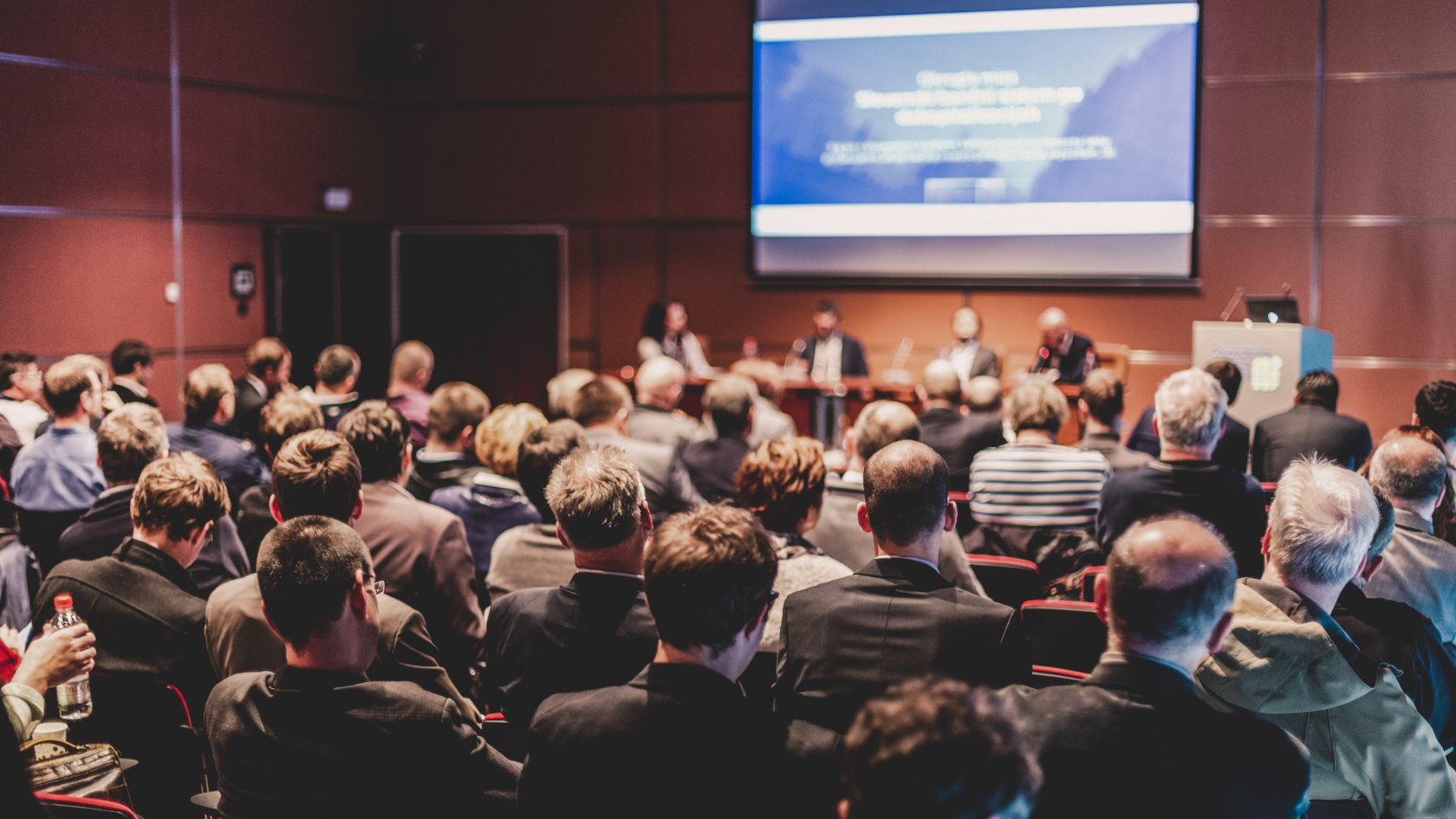
The Instant Gratification Era: AI Cloud Photography
Perhaps the most visible transformation in attendee experience is the evolution of event photography. Historically, attendees would wait days or even weeks to receive professional photos from a gala or conference. By the time the images arrived, the social media “moment” had passed.
AI Cloud Photography has fundamentally disrupted this timeline. The process is a marvel of real-time synchronization:
- Real-time Cloud Syncing: As a photographer captures a moment, the image is instantly uploaded to a secure cloud server.
- AI Enhancement: Within 5 to 10 minutes, AI algorithms perform lighting and color correction, ensuring every shot looks professional without manual editing delays.
- Facial Recognition Search: This is the “magic” moment for the attendee. Instead of scrolling through thousands of photos in a public gallery, guests simply take a selfie. The AI identifies their face and instantly pulls every professional photo they appear in.
- Automatic Branding: Each photo is instantly overlaid with custom watermarks or brand frames, ensuring that when the image is shared, the host’s brand travels with it.
The business impact of this technology is quantifiable. Industry benchmarks show that AI-powered instant delivery can lead to a 70% increase in social media sharing during the event. For brands, this translates to millions of additional impressions while the event is still trending. Moreover, it drastically reduces the post-event workload for marketing teams who no longer need to manually sort and distribute assets.
Real-Time Data and Post-Event Analytics
The value of an event today is measured in data points. During the execution phase, real-time dashboards allow organizers to monitor sentiment and engagement. If a particular breakout room is reaching capacity, AI-driven apps can send push notifications to attendees suggesting alternative sessions based on their interests.
Once the doors close, the work of AI continues. Post-event analytics have moved beyond “How was the food?” to “What was the dwell time at the product demo?” By synthesizing data from RFID tracking, app interactions, and social media mentions, AI provides a 360-degree view of the attendee lifecycle. PwC notes that companies utilizing advanced analytics in their marketing spend see a significant improvement in customer acquisition costs, as they can retarget event attendees with surgical precision.
The Human Element: Why AI Cannot Fly Solo
Despite the impressive capabilities of facial recognition and predictive modeling, the industry remains rooted in human connection. Technology provides the skeleton, but human creativity provides the soul. The limitations of AI are most evident in high-stakes problem-solving and emotional intelligence. An algorithm can predict that a room will be crowded, but it cannot navigate the nuances of a sensitive VIP interaction or the spontaneous creativity required when a keynote speaker’s flight is delayed.
The consensus among industry leaders is that AI should be viewed as an “Augmented Intelligence.” It liberates event professionals from the drudgery of data entry and manual photo sorting, allowing them to focus on strategy, storytelling, and relationship building.

Conclusion: The Future is Hybrid
The trajectory of event marketing is clear. We are moving toward a hybrid future where the boundaries between the physical and digital worlds are increasingly blurred. In this new era, the most successful events will be those that use technology to make the experience feel more, not less, human.
As we look toward 2027 and beyond, the adoption of AI will be the dividing line between brands that simply host “gatherings” and those that create “ecosystems.” For organizations looking to lead in this space, the challenge lies in finding the right balance between cutting-edge automation and authentic brand narrative.
Design Your Next Experience
In a world of constant noise, creating an event that truly resonates requires more than just a guest list; it requires a data-driven strategy. Halo Tech Media specializes in crafting these high-impact experiences by blending world-class event technology with human-centric marketing. Whether you are looking to integrate AI Cloud Photography to boost your social reach or require a seamless, RFID-powered registration system for thousands of guests, our team has the expertise to bring your vision to life.
Would you like to explore how a tailored AI integration could elevate your next corporate event or product launch?
Contact Halo Tech Media today for a consultation and discover the balance of creativity and technology that drives real results.

References and Sources
- 2026 AI Business Predictions: PwC
- Event Management Software Market | Industry Report, 2030
- Gartner Hype Cycle Identifies Top AI Innovations in 2025
Frequently Asked Questions
How is AI used in event marketing?
AI powers predictive planning, smart check-in (including facial recognition), personalised attendee recommendations, real-time AI photography, and post-event analytics — automating logistics while deepening engagement.
What are the top AI event trends in 2026?
Key trends include AI-driven planning and prediction, biometric check-in, real-time AI cloud photography for instant social sharing, hyper-personalised attendee journeys, and real-time data analytics.
Does AI replace event planners?
No. AI handles data, logistics and personalisation at scale, but human planners provide the creativity, judgement and relationship-building that make events memorable. The future is AI-augmented, not AI-only.
 Back
Back