
3 Step Customer Persona Development and How to Target Audience for Business Growth
Let’s be honest. In the intense world of B2B technology and services, everyone claims to have the next big solution. And as a business owner, marketing manager, or product developer, you are drowning in generic pitches that promise the world but deliver vague results. You know what the real issue is? You’re not selling to businesses; you’re selling to people.
The moment your marketing moves past targeting “mid-sized tech firms” and starts talking directly to Sarah, the overwhelmed Marketing Manager, or David, the risk-averse CFO, that’s when everything changes. This is the pivot from noise to signal, which is critical for success in 2025 and beyond.
This shift from mass messaging to magnetic connection is powered by robust Customer Persona Development. It’s the process of ditching the guesswork and building your entire B2B Marketing Strategy on rock-solid empathy and data. This comprehensive guide provides a streamlined, 3 Step Guide to creating clarity that drives real, unprecedented Business Growth by showing you exactly who your Target Audience really is.
Why Personas are the Cornerstone of Modern B2B Marketing Success
For too long, B2B marketing felt like throwing darts in the dark. We focused on company size and industry and what completely missed the who. The modern buyer, armed with more information than ever before, demands relevance; they simply tune out anything that isn’t tailored to their current reality.
Beyond Demographics: Defining the Ideal Customer Profile (ICP)
Think of it this way: the Ideal Customer Profile (ICP) is the perfect type of company you want to sell to. Customer Persona Development is what tells you whether you should talk about low-cost maintenance to the CFO or cutting-edge features to the Product Lead.

A genuinely useful Buyer Persona is a story based on data. It’s not just a list of job duties; it’s an X-ray of their professional psyche, detailing:
- The Sleepless Nights: The specific, soul-crushing Pain Points that keep them up at 2 AM.
- The Trophy Shelf: Their professional goals and what they need to achieve to look good to their boss.
- The Trust Circle: The sources (podcasts, industry reports, specific influencers) they actually trust for advice.
The Cost of Guesswork: Marketing Without a Defined Target Audience
If your marketing feels like a black hole where budgets disappear, it’s often because you’re speaking a language no one understands. When your content is too broad, it resonates with no one. We’ve all seen the data: companies that skip this foundational step pay a steep price.
For example, generic campaigns often suffer from dismal Conversion Rates (CVR) because they fail to address the prospect’s immediate need. This lack of focus artificially inflates your Customer Acquisition Costs (CAC) because you are paying to put your message in front of thousands of uninterested people. It’s not just inefficient; it’s exhausting for your sales team, who waste time qualifying leads that were never right for you in the first place
The Data-Driven Blueprint: A Step-by-Step Guide to Customer Persona Development
If personas sound like guesswork, you’re doing them wrong. This is a forensic, data-intensive process built on listening, not assuming.
Step 1: Deep Dive Research (Interviews, Analytics, Sales Feedback)
This is where you trade assumptions for facts. You need to be a detective, pulling data from three vital streams:
- Just Talk to People (Qualitative Data): Conduct insightful, open-ended interviews. Talk to your best customers, but also interview those who didn’t buy from you to understand their decision matrix. The most valuable input often comes from your frontline sales and support teams—they hear the unvarnished truth every day.
- Follow the Footprints (Quantitative Data): Where do your most profitable leads click? Which blog posts (addressing which Pain Points) do they spend the most time on? Your website analytics offer a silent, unbiased view into their true interests.
- The Voice of the Customer: Use the exact terminology, concerns, and objections your customers use. This is crucial for authenticity and ensures your SEO Performance aligns with how real people search.
Step 2: Identifying Key Pain Points and Motivations
This is the emotional core of the persona. You must move beyond surface-level problems.
Example: A surface problem might be “Need better reporting.” The deep Pain Point is: “The current quarterly reporting is manual, takes three days, and is often inaccurate, leading to uncomfortable board meetings.”
You need to understand the motivation that solves that pain. For an Engineer, the motivation might be “elegance and speed.” For a CEO, the motivation is “Risk mitigation and shareholder value.” The better you understand these drivers, the more compelling your solution becomes.
Step 3: Mapping the Customer Journey and Content Gaps
Now that you know who they are, plot how they buy. Customer Journey Mapping tracks their mental state and questions from “I have a problem” to “I need this specific solution.”
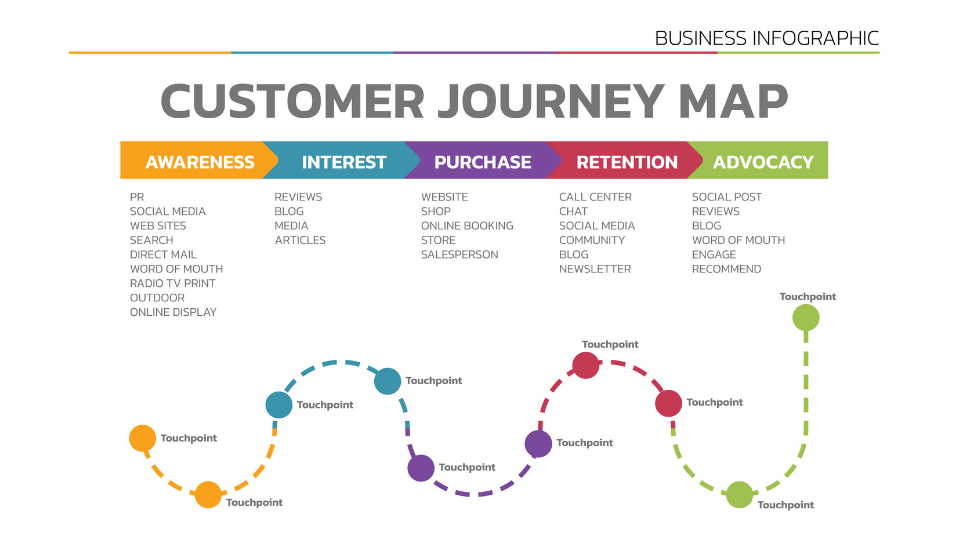
For each stage (Awareness, Consideration, Decision), ask:
- What are the questions the persona is asking?
- What content formats do they prefer?
- What is the specific role of the persona at this touchpoint?
This reveals crucial Content Personalization gaps in areas where your current content fails to address the persona’s needs at a specific stage, which can significantly damage SEO Performance.
The Pivot to Precision: Comparing Marketing Strategies With and Without Personas (The Comparative Analysis)
To truly appreciate the power of personas, we must examine the tangible difference they make in a B2B setting. Let’s compare a generic marketing approach with a persona-driven one, using two distinct archetypes often involved in B2B tech purchases:
This comparison clearly shows that by developing personas, a company moves from selling a product to providing a solution tailored to an individual’s professional reality. This segmentation is the catalyst for Unprecedented Business Growth.
Persona-Driven Content: The Secret to 10x SEO Performance and Engagement
The impact of Customer Persona Development extends directly into your organic search performance. Google’s algorithms are increasingly focused on expertise, authority, and trustworthiness (E-E-A-T) and, most importantly, meeting the user’s search intent.
Targeting High-Intent Keywords (Aligning content with buyer stage)
SEO is no longer just about volume; it’s about intent. Personas reveal the exact queries your potential customers use at each stage of their journey:
- Awareness Stage (Mike): “Why is our marketing attribution inaccurate?” (Informational content)
- Consideration Stage (Susan): “Pricing comparison of predictive analytics platforms 2024.” (Commercial investigation content)
- Decision Stage (Both): “Best AI integration partner for SAP.” (Transactional content)
By structuring your content around these high-intent, persona-specific keywords, you drastically improve your SEO Performance, ensuring your solution appears exactly when and where the buyer needs it
Personalization at Scale: From Email to Web Content
Content Personalization is the execution of your persona insights. A generic email open rate is typically low; however, when the subject line speaks directly to Susan’s need for “quarterly budget oversight” or Mike’s goal of “faster time-to-market,” engagement skyrockets. This extends to your website, where dynamic content (if implemented) can change calls to action or hero images based on known characteristics of the visitor, making every interaction feel custom-made.
Conclusion: Stop Marketing to Everyone, Start Connecting with Someone
In the highly competitive B2B landscape, the difference between mediocre performance and Unprecedented Business Growth is often the depth of your audience’s understanding. Customer Persona Development transforms your marketing from a scattergun approach into a precision-guided system. It reduces waste, accelerates sales, and builds lasting relationships because your brand is speaking directly to the problems and aspirations of individuals like CFO Susan and Marketing Manager Mike.
By investing in data-driven personas, you are investing in a clearer strategy, better SEO Performance, and a more efficient funnel.
Ready to Unlock Your True Target Audience? Connect with Halo Tech Media.
Do you feel your marketing budget is being stretched across too many irrelevant leads? Are you struggling to create content that genuinely converts?
The experts at Halo Tech Media specialize in translating complex market data into actionable, high-converting Buyer Personas and tailored B2B strategies.
Don’t leave your next quarter’s growth to guesswork.
Click here to schedule a FREE consultation with our B2B strategy specialists to develop
your data-driven customer personas and revolutionize your B2B Marketing Strategy.
References and Sources
 Back
Back