
Beyond ‘Data is the New Oil’: AI-Driven Strategies for High-Quality Event Data
Imagine the grand ballroom of a tier-one tech summit in Singapore or the high-octane environment of a luxury brand launch in Shanghai. Thousands of delegates move through the space, their badges scanning at turnstiles, their faces lighting up as they encounter interactive installations, and their smartphones buzzing with real-time notifications. To the casual observer, this is a masterclass in logistics and branding. To the modern marketer, however, this is a sophisticated laboratory for human behavior.
For nearly two decades, the corporate world has operated under the mantra that “data is the new oil.” Coined by Clive Humby in 2006, the phrase suggested that data is a raw resource that, when refined, powers the engines of the global economy. Yet, in the current landscape of the Experience Economy, this metaphor is showing its age. Oil is finite, extractive, and often leaves a trail of environmental—or in this case, digital—exhaust. Furthermore, the sheer volume of “crude” data being pumped into CRM systems today is often more of a liability than an asset.
In 2026, the priority has shifted from accumulation to refinement. According to research by McKinsey & Company, organizations that leverage high-quality customer behavioral insights outperform peers by 85% in sales growth. Consequently, the live event sector has emerged as the premier frontier for capturing this high-intent, first-party data. The challenge lies in capturing it without compromising the attendee experience or violating the growing demand for digital privacy.
The Trap of Big Data: Why Context is Worth More Than Volume
The obsession with “Big Data” led many organizations to collect everything and analyze nothing. Consequently, marketing departments found themselves drowning in “dark data”—information collected but never utilized. Gartner previously estimated that up to 80% of enterprise data is unstructured and largely inaccessible for meaningful decision-making.
Within the context of a live event, data volume alone is meaningless. Knowing that 5,000 people walked through a door provides a headcount, but it does not provide a narrative. True value resides in context: What did they engage with? How long did they stay? Did they share their experience? High-quality data is defined by its accuracy, emotional relevance, and the consent behind its collection.
Events provide a unique “closed-loop” environment where every interaction is a signal of intent. Unlike the passive nature of web browsing, event attendance is an active investment of time. Therefore, the data captured on-site is arguably the most “truthful” information a brand can possess.

Halo Tech Media: The Pragmatic Application of AI
Navigating this transition requires a sophisticated marriage of hardware and software. This is where agencies like Halo Tech Media have redefined the standard for the industry. As a digital marketing and event technology agency, Halo Tech Media has distanced itself from the “AI for the sake of AI” hype that currently saturates the market. Instead, they position themselves as a strategic partner that selectively applies artificial intelligence where it solves specific operational bottlenecks and enhances attendee satisfaction.
By serving as a trusted partner for global brands, Halo Tech Media focuses on the continuity of data across the entire event lifecycle. Their official partnership with ACCUPASS, the largest event platform in Asia, allows them to bridge the gap between pre-event registration and on-site behavior, ensuring that the data journey is seamless and unbroken.
The Speed of Emotion: AI Cloud Photography
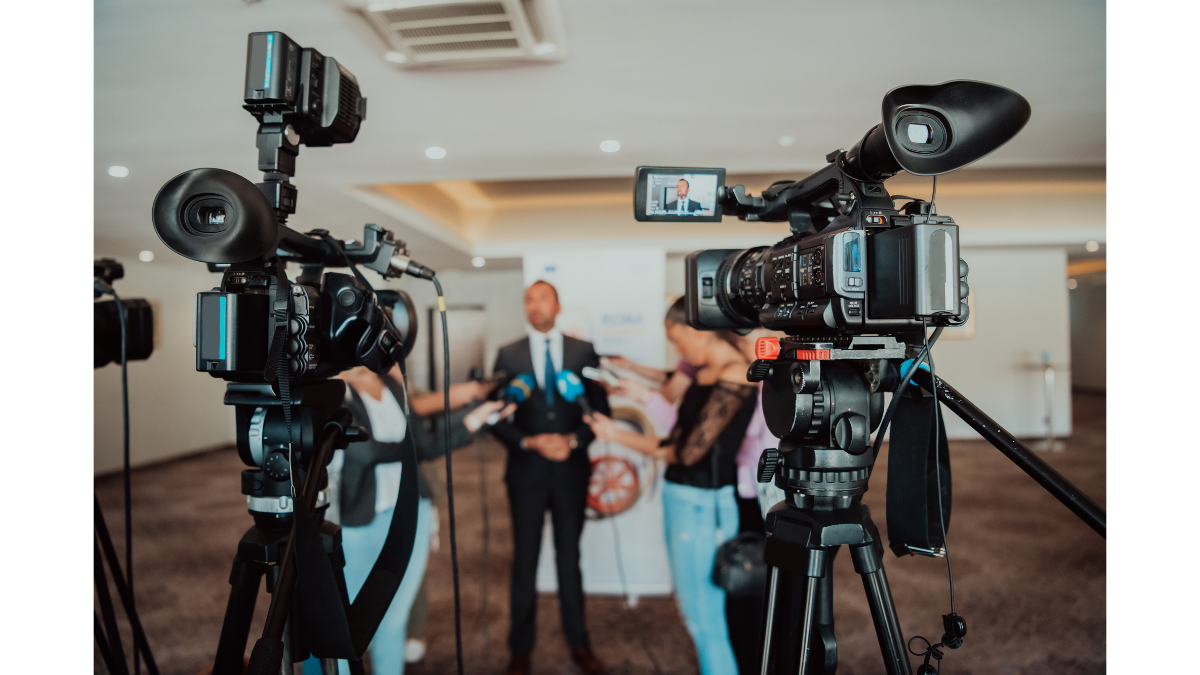
One of the most powerful examples of experience-driven data capture is Halo Tech Media’s AI Cloud Photography solution. In the past, event photography followed a slow, traditional trajectory: a photographer took pictures, edited them days later, and uploaded them to a gallery that most attendees forgot to visit.
In the modern Experience Economy, the value of a photo depreciates rapidly. If an attendee cannot share a professional-grade image of themselves within minutes of the moment occurring, the marketing opportunity is lost. Halo Tech Media addresses this by utilizing real-time cloud syncing. Once a photo is captured, AI-powered selection and enhancement are completed within a 5-to-10-minute window.
The Power of the “Selfie Search”
The integration of Facial Recognition technology changes the nature of the interaction. Instead of scrolling through thousands of images, attendees simply take a “selfie” to find every professional shot of themselves instantly.
- Automatic Branding: Photos are delivered with branded frames or watermarks, ensuring the brand remains central to the narrative.
- Behavioral Outcomes: This frictionless delivery has been shown to increase social media sharing by up to 70%.
From a data perspective, this is a goldmine. It transforms a passive attendee into an active brand advocate, providing the organizer with clear metrics on reach and engagement that traditional surveys could never replicate.
Frictionless Logistics: Smart Registration and Access
The first sixty seconds of an event often dictate the attendee’s perception of the brand. Long queues and manual check-ins create “cognitive friction,” which negatively impacts the quality of subsequent data collection. If an attendee is frustrated at the entrance, their willingness to engage with interactive booths later is significantly diminished.
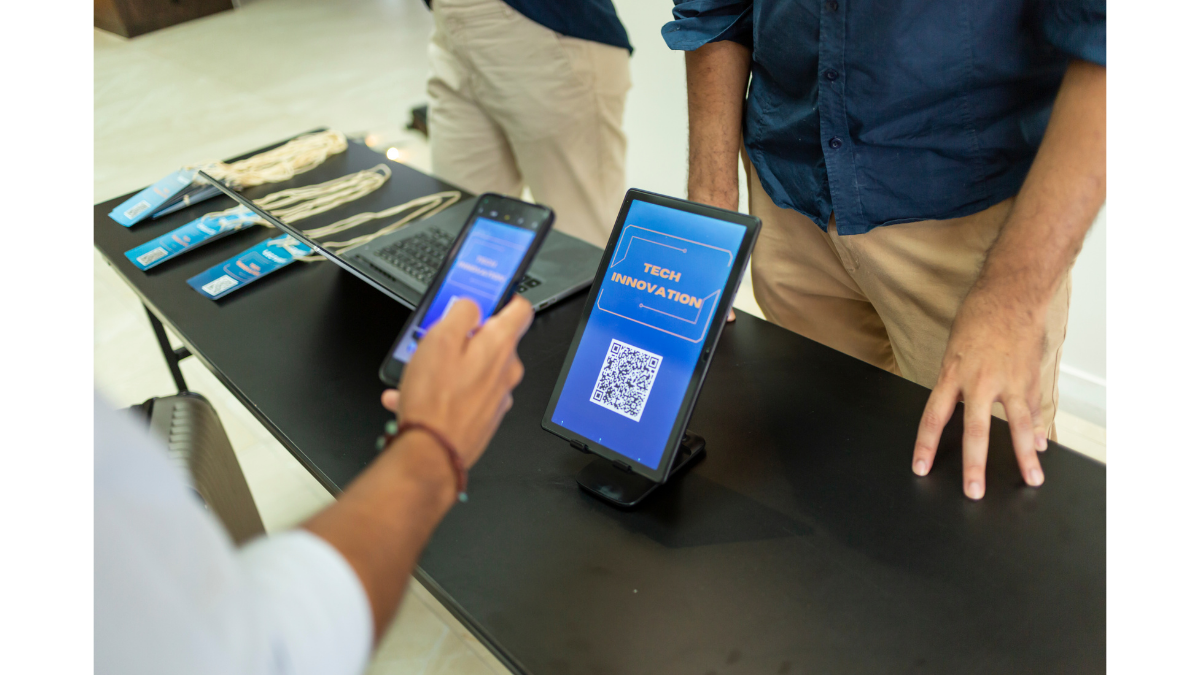
Halo Tech Media’s Smart Registration and Access Systems are designed for high-throughput efficiency. Their self-service registration kiosks can handle approximately 240 attendees per hour, featuring instant on-site badge printing. This speed is not merely a logistical convenience; it is a data strategy.
RFID and the Architecture of Insight
By integrating RFID (Radio Frequency Identification) into tickets, wristbands, or even stickers, organizers can move beyond basic entry tracking.
- Access Control: Managing VIP zones or breakout sessions becomes automated and invisible.
- Cashless Payments: RFID-enabled “digital wallets” allow for a frictionless purchasing experience, providing brands with precise data on consumption patterns.
- Movement Analytics: According to Deloitte, understanding how crowds flow through a physical space allows organizers to optimize floor plans and sponsorship placements in real-time.
Trust as the New Currency: The Ethical Imperative
As we move deeper into an era of heightened data sensitivity, the “extractive” model of data collection is no longer viable. The World Economic Forum has highlighted that trust is becoming a primary differentiator in the digital economy. If attendees feel surveilled rather than served, they will withdraw their consent.
Halo Tech Media champions a “Privacy-First” approach. This means that data collection is designed to be opt-in and value-added. When an attendee uses facial recognition to find their photo, they are engaging in a clear value exchange: their data for a premium service. Consequently, the data collected is not just high-quality; it is ethically sourced.
According to a study published in the Harvard Business Review, customers are significantly more likely to share data when they see a direct benefit to their experience and feel in control of their information. By prioritizing transparency and consent-driven design, brands can build a repository of “zero-party data”—data that customers intentionally and proactively share with a brand.
The Future: From Tracking to Understanding
The shift from “Data as Oil” to “Data as Experience” represents a maturation of the marketing industry. As we look toward the future, the integration of AI and high-speed connectivity will only deepen. However, the technology will become increasingly invisible. The most successful events will be those where the data collection feels like a natural part of the hospitality, not an interrogation.
Leading organizations are moving away from siloed data sets toward a holistic view of the attendee. Thus, the information gathered at a registration kiosk, the sentiment captured via a cloud-based photo, and the movement patterns tracked by RFID all converge to create a 360-degree profile of the customer.
Conclusion
In the competitive landscape of the Experience Economy, the brands that win will be those that treat attendee data not as a commodity to be hoarded, but as a relationship to be nurtured. High-quality data requires more than just high-tech tools; it requires a strategic vision that balances operational efficiency with emotional resonance.
Halo Tech Media stands at the intersection of this evolution, proving that when AI is applied with precision and ethics, it does more than just capture data—it enhances the human experience.
Is your organization ready to evolve its data strategy?
As the landscape of live events continues to shift, the methods of the past will no longer suffice. Rethink how you collect and utilize attendee data by exploring the strategic possibilities of integrated event technology.
To learn more about building smarter, data-driven experiences that prioritize both insight and impact,
consider Halo Tech Media as your partner in navigating the future of the Experience Economy.

References and Sources
- Artificial Intelligence Insights & Articles | QuantumBlack | McKinsey & Company
- Data Is Worthless Without Context
- Definition of Dark Data – IT Glossary | Gartner
- Global Consumer Insights Pulse Survey June 2023 | PwC
 Back
Back