
The Shocking Rise of Virtual Influencers: Will They Replace Humans in Advertising by 2026
Virtual influencers are computer-generated (CGI) personas that act like human creators on social media. Brands use them for total control and scalability, but they face an authenticity gap that human creators still win on.
Who Are Virtual Influencers?
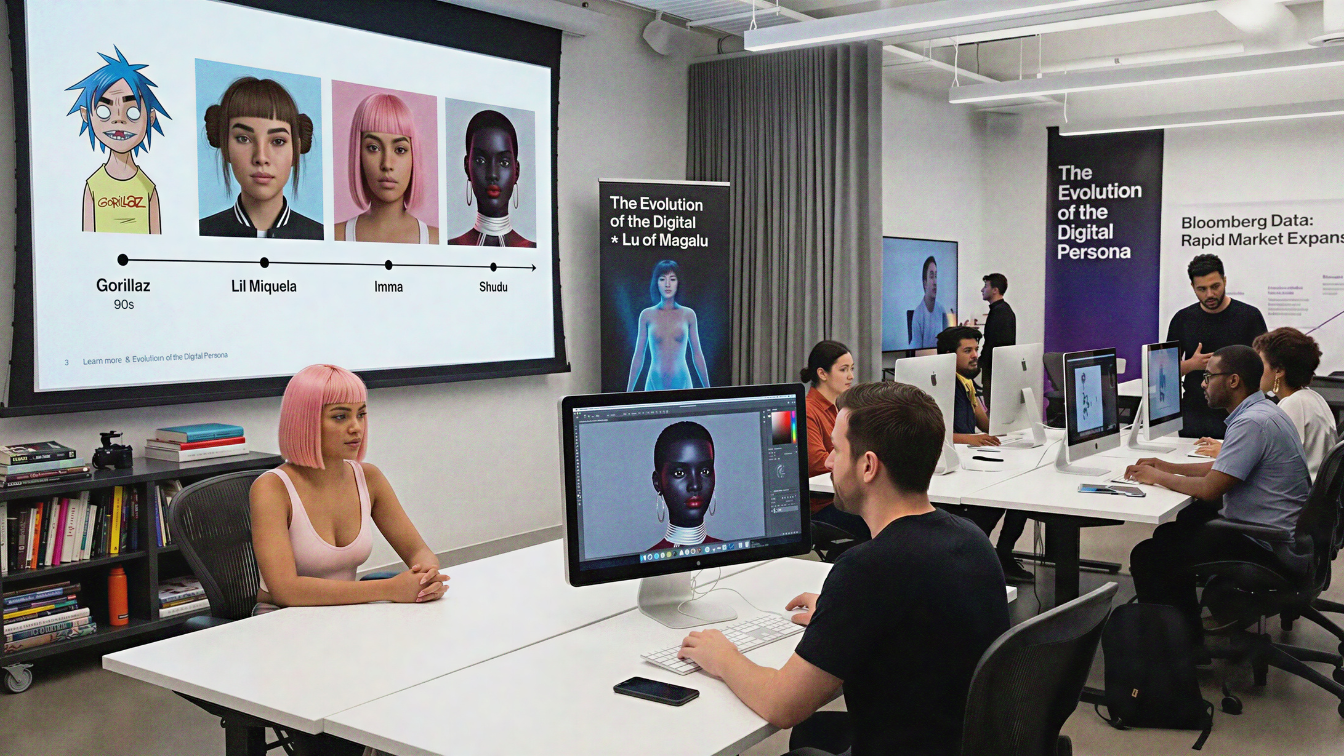
Virtual influencers are computer-generated characters (CGI) designed to mimic human features, personalities, and behaviors. While they often resemble characters from video games, their habitat is social media. They post selfies, express opinions on social justice, wear designer clothes, and engage in the same “lifestyle curation” that human influencers do. Behind every virtual influencer is a team of creators including 3D artists, copywriters, and strategists who determine exactly what the character says, does, and wears.
The Evolution of the Digital Persona
This concept is not entirely new. The music band Gorillaz successfully utilized animated avatars in the late 1990s. However, today’s virtual influencers leverage advanced rendering and AI to achieve a level of photorealism that blurs the lines of reality.
Prominent examples driving this economy include:
- Lil Miquela: Created by Brud, she boasts millions of Instagram followers and has collaborated with Prada and Samsung.
- Imma: Japan’s first virtual human, known for her distinctive pink bob and hyper-realistic integration into Tokyo street photography.
- Shudu: Dubbed the world’s first “digital supermodel,” created by photographer Cameron-James Wilson, representing luxury and high fashion.
- Lu of Magalu: Originally a voice for a Brazilian retailer, she has evolved into the most-followed virtual influencer globally, demonstrating the massive potential for retail integration.
According to data from Bloomberg, the virtual influencer market is expanding rapidly as brands seek novel ways to capture Gen Z’s fragmented attention.
Why Brands Are Investing in Synthetic Talent
The shift toward virtual talent is not driven solely by technological curiosity. It is a strategic calculation.
1. Absolute Creative Control and Brand Safety
Human influencers are unpredictable. They can get embroiled in scandals, express polarizing political views, or simply fail to show up for a shoot. A virtual influencer poses no such risk. Every caption, outfit, and interaction is vetted by a brand team before publication. This ensures perfect alignment with brand values, a factor that Harvard Business Review notes is a primary driver for corporate adoption.
2. Cost Efficiency and Scalability
While the initial development of a high-fidelity 3D avatar is expensive, the long-term costs can be significantly lower than retaining top-tier human talent. A virtual influencer does not require business class flights, hotel suites, or catering. They can be in Paris, Tokyo, and New York simultaneously, scaling global campaigns without logistical friction.
3. High Engagement Rates
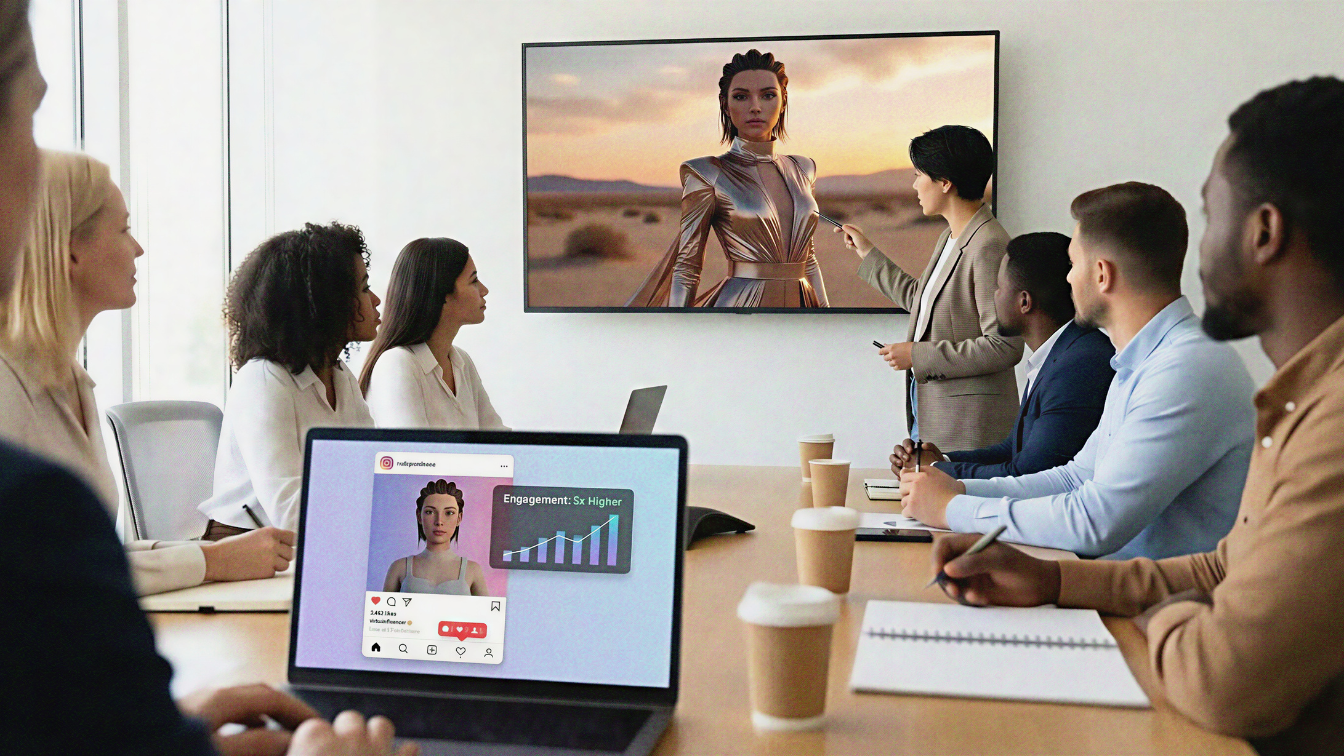
Novelty drives engagement. Research by HypeAuditor suggests that virtual influencers often command engagement rates nearly three times higher than their human counterparts. Users are fascinated by the technology and the narrative mystery surrounding these characters.
What Virtual Influencers Do Better Than Humans
Technology excels at optimization, and virtual influencers are the ultimate optimized marketing vehicle.
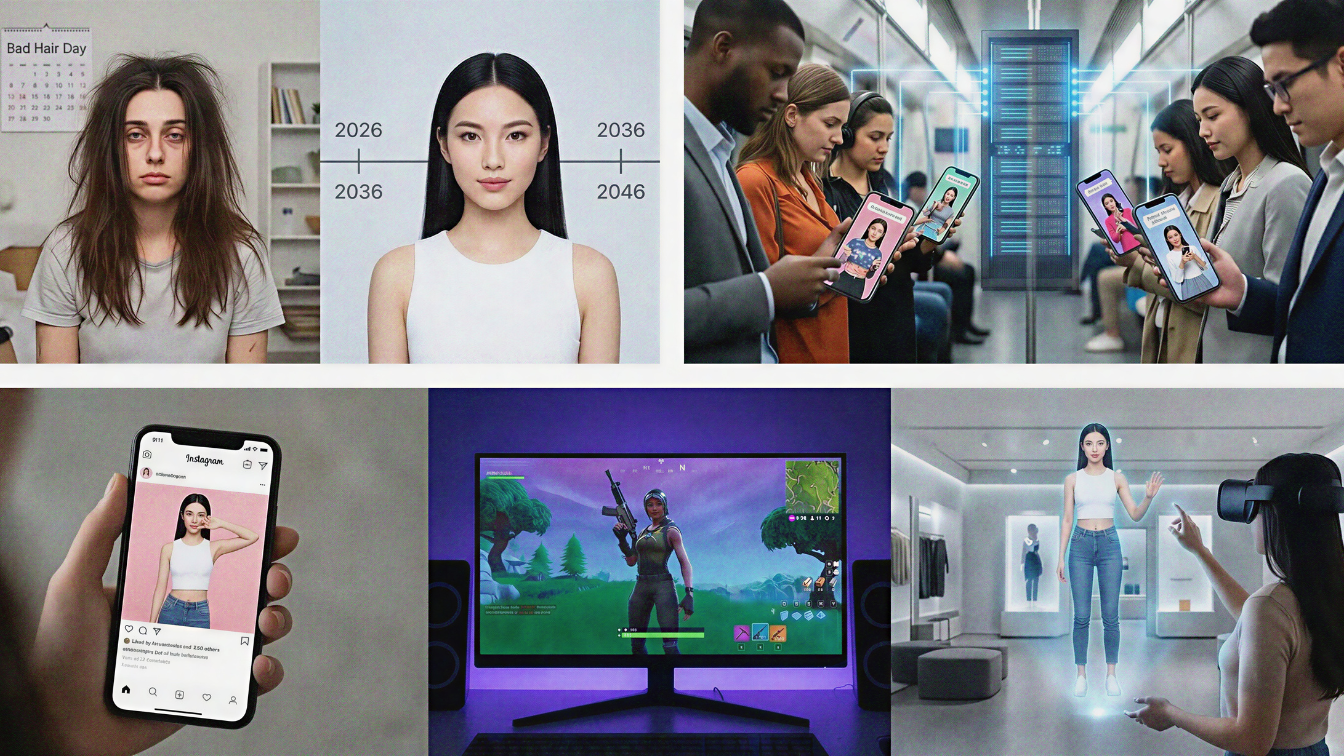
- Consistency: They never have a “bad hair day” or age out of a demographic. A brand mascot created today can remain 22 years old for the next five decades, maintaining a permanent connection with a specific youth demographic.
- Data-Driven Personalization: When powered by AI, these avatars can theoretically interact with millions of followers simultaneously in different languages. McKinsey & Company highlights personalization as a key revenue driver, and virtual influencers offer a vessel to deliver this personalization at scale.
- Cross-Platform Storytelling: These assets are metaverse-ready. The same asset used in an Instagram post can be ported into a video game like Fortnite or a virtual reality showroom, creating a seamless omnichannel experience.
The Authenticity Gap: Where Virtual Falls Short
Despite the technical advantages, there is a fundamental element that code cannot replicate: the human soul.
Advertising, at its core, is about empathy and shared experience. When a human influencer recommends a skincare product, the audience believes that the person has physically tested it on their skin. When a virtual influencer recommends the same product, the endorsement is theoretically hollow. A digital avatar has no skin; it cannot feel hydration or suffer from acne.
The “Uncanny Valley” and Trust
Consumer trust is fragile. Deloitte reports that trust is the currency of the digital age. If a brand fails to disclose that an influencer is a bot, the backlash can be severe. Moreover, as these avatars become more realistic, they risk falling into the “uncanny valley,” a state where a robot looks nearly human but slightly “off,” provoking a feeling of unease or revulsion in viewers.
Cultural Nuance
Algorithms struggle with cultural context. While human teams guide these avatars, the lack of lived experience means virtual influencers can easily appear tone-deaf when engaging with complex social issues.
Will Virtual Influencers Replace Human Influencers?
This is the question we hear most often at Halo Tech Media. The short answer is No.
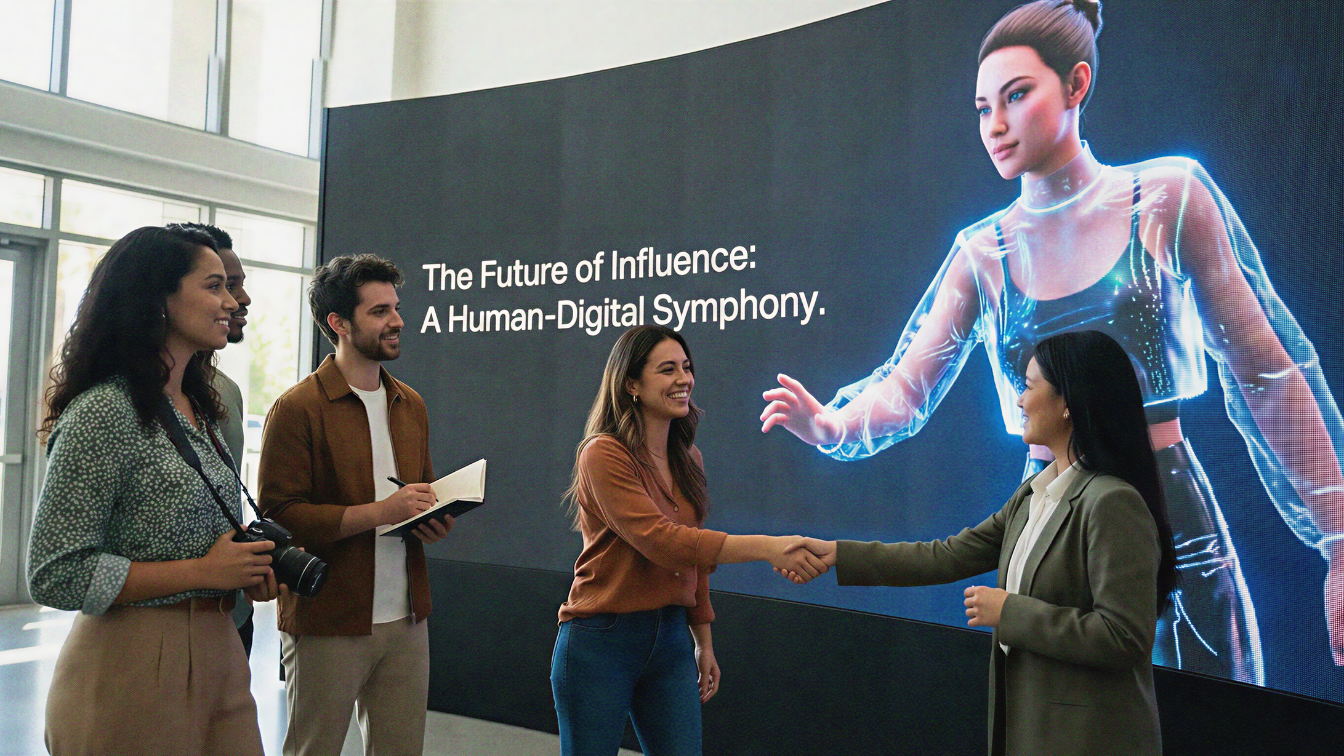
Replacement implies that virtual and human influencers serve the exact same function. They do not. Human influencers are rented for their trust, their relatability, and their messy, authentic lives. Virtual influencers are rented for their aesthetic perfection, their novelty, and their narrative control. We are moving toward a hybrid ecosystem.
The Strategic Future: Co-Existence
We predict a bifurcation of the influencer market:
- Human Creators will retain dominance in lifestyle, wellness, and opinion-based sectors where “lived experience” is the product.
- Virtual Creators will dominate high-fashion, tech, and abstract branding where aesthetics and futuristic storytelling take precedence.
Forbes supports this view, suggesting that smart brands will utilize a mix of both by using humans to build trust and avatars to build hype.
Future Outlook
The technology is accelerating. We are moving from “scripted” CGI characters to “autonomous” AI agents. In the near future, driven by Large Language Models (LLMs), virtual influencers will be able to hold real-time voice conversations with thousands of fans simultaneously, remembering past interactions and evolving their personalities based on user input.
Vogue Business notes that as the metaverse matures, these avatars will become the “interoperable identity” for brands, acting as a guide that walks with the consumer from a website to a virtual store, and back to social media.
Conclusion
Virtual influencers are not a temporary glitch in the marketing matrix. They are a permanent addition to the advertiser’s toolkit. They offer a canvas of unlimited creativity and control that human talent cannot match.
However, they will never replace the beating heart of human connection. The most successful brands of the next decade will be those that master the balance by using technology to inspire awe, and humans to inspire trust.
References and Sources
- What influencer marketing looks like in the metaverse | Vogue
- The value of getting personalization right—or wrong—is multiplying | McKinsey
- (PDF) Branding in the Digital Age: How Influencers Marketing and Authenticity Reshape Brand Perceptions
Building an influencer strategy? Talk to our influencer marketing team in Singapore.
Frequently Asked Questions
What are virtual influencers?
Virtual influencers are CGI characters designed to look and behave like human creators, posting content and partnering with brands. Behind each is a team of artists, writers and strategists.
Why do brands use virtual influencers?
They offer total creative control, are always available and scandal-resistant, scale across markets, and deliver a consistent, fully on-brand persona — advantages human influencers cannot match.
Will virtual influencers replace human influencers?
Unlikely to fully replace them. Virtual influencers excel at control and novelty, but audiences still value genuine human experience and trust. The future is a mix of both.
 Back
Back