
Influencer Marketing 101: An Effective Guide to Influencer Types, Campaign Planning, and ROI Measurement
Influencer marketing is the practice of partnering with content creators to promote your brand to their engaged, trusting audiences. From nano-creators to celebrities, the right partnership delivers authentic recommendations that outperform traditional ads — when matched to the right audience and measured against real ROI, not vanity metrics.
Scroll through your social feed for five minutes. What stops your thumb? Is it the polished, studio-lit banner ad for a skincare brand? Or is it the creator you’ve followed for months, casually explaining why that same skincare product actually fixed their dry skin? If you answered the latter, you are living proof of the shift in the digital economy.
The “death of the cookie” and the rise of ad-blockers have forced brands to rethink how they reach consumers. We have moved from the era of “Interruptive Marketing” (ads that stop you from seeing what you want) to “Collaborative Marketing” (content you actually chose to watch).
Influencer marketing is no longer an experimental budget line item; it is a fundamental pillar of modern brand strategy. However, the landscape in late 2024 and heading into 2025 is vastly different than it was even two years ago. It is data-driven, highly regulated, and fiercely competitive. This guide covers everything you need to know to build an influencer marketing strategy that doesn’t just generate “likes,” but drives measurable revenue.
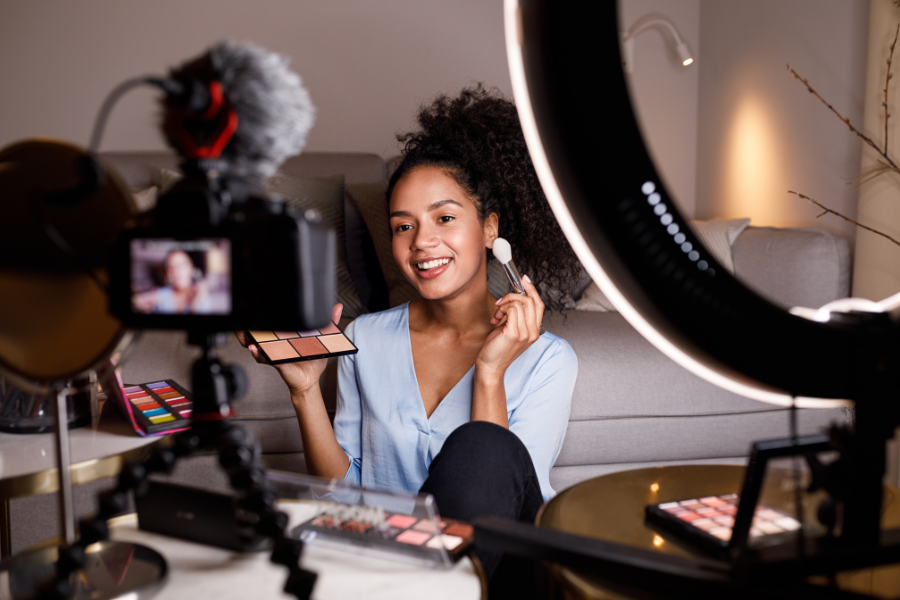
What Is Influencer Marketing Today? (2024–2025 Perspective)
At its core, influencer marketing is a collaboration between a brand and a content creator who has established credibility and a dedicated audience in a specific niche. It leverages the trust the influencer has built to endorse a product or service.
However, the definition has evolved. It is no longer just about celebrities holding a product. Today, it is about content generation and community distribution.
According to the Influencer Marketing Hub’s 2024 Benchmark Report, the industry has grown to an estimated $24 billion, a significant jump from $16.4 billion in 2022. This growth isn’t just about more people on social media; it’s about ROI. Brands are now seeing an average return of $5.78 for every $1 spent on influencer marketing.
Furthermore, consumer trust has shifted. A 2024 report by Sprout Social indicates that 49% of consumers make purchases daily, weekly, or monthly because of influencer posts. In an era of skepticism, the human voice remains the most potent sales tool.
Types of Influencers Explained
Understanding the hierarchy of influence is critical for budget allocation. Bigger is not always better; in fact, regarding engagement rates, smaller is often superior
How to Find the Right Influencers for Your Brand
The most common failure point in an influencer marketing strategy is poor selection. A tech brand partnering with a fashion influencer simply because they have 100k followers is a waste of budget. You must prioritize the “3 Rs”: Relevance, Reach, and Resonance.
Audience Alignment vs. Follower Count
Stop looking at the influencer. Look at their audience. Use demographic data to ensure their followers match your buyer persona. If you sell luxury watches in Thailand, an influencer with 100k followers based primarily in the Philippines or Brazil will not help you.
Authenticity and Brand Fit
Does the influencer actually use products like yours? Scroll back through 3–6 months of their content. If every post is a sponsored ad for a different brand, their audience likely has “ad blindness.” You want creators who weave brands into their lifestyle naturally.
Discovery Methods
- Manual Search (The Hashtag Method): Search for hashtags relevant to your niche (e.g., #SaaSMarketing, #BangkokFoodie) and see whose content performs best.
- Influencer Discovery Tools: Platforms like Grin, Up fluence, or Hype Auditor allow you to filter creators by engagement rate, location, and audience demographics.
- Social Listening: Monitor who is already tagging your brand or your competitors. An existing customer is always the best influencer.
How to Work with Influencers Successfully
Once you identify the talent, the relationship management begins. Treat influencers as partners, not billboards.
Outreach Best Practices
Ditch the generic “Dear Influencer” emails. Be specific. Mention a piece of content they created that you genuinely liked. Clearly state what you are offering (paid, gifted, or affiliate) and why you think it’s a fit.
Collaboration Models
- Gifting (Seeding): Sending product with no obligation. High risk, but high reward if they post organically.
- Pay-Per-Post: Flat fee for a specific set of deliverables (e.g., 1 Reel + 3 Stories).
- Affiliate/Performance: The influencer gets a commission on sales via a tracking link.
- Ambassadorship: Long-term contracts (3–12 months). This is the gold standard for 2025, as repeated exposure builds trust.
Creative Freedom vs. Brand Guidelines
This is the delicate balance. You must provide a clear brief (key messages, do’s and don’ts, legal requirements), but you must allow the influencer creative freedom.
- Wrong: “Read this script exactly while holding the bottle next to your face.”
- Right: “Show how this product fits into your morning routine. Mention that it’s cruelty-free. Use your own voice.”

Campaign Planning for Influencer Marketing
Great campaigns don’t happen by accident; they are engineered.
1. Setting Clear Goals
- Awareness: Metric = Impressions, Reach.
- Engagement: Metric = Likes, Comments, Shares, Saves.
- Conversion: Metric = Sales, Sign-ups, App Downloads.
2. Budget and Timeline
Allocate budget not just for influencer fees, but for platform fees, product shipping, and paid amplification (boosting the influencer’s post). Pro Tip: Start planning at least 6-8 weeks before your launch date. Negotiation and shipping take time.
3. Content Formats
Short-form video (TikTok, Instagram Reels, YouTube Shorts) is currently the dominant format. However, don’t ignore:
- Livestreams: High conversion for retail/beauty.
- Long-form YouTube: Best for detailed reviews of tech or complex B2B products.
- UGC (User Generated Content): Sourcing raw content from creators to use on your own ad channels.
Measuring Influencer Marketing ROI
The days of saying “we can’t measure the ROI of brand awareness” are over. Executives demand numbers.
Key Performance Metrics
- Engagement Rate: (Total Interactions / Total Followers) x 100. This measures content quality.
- CTR (Click-Through Rate): How many people took action.
- Conversions: The holy grail. Sales directly attributed to the campaign.
Earned Media Value (EMV)
EMV assigns a monetary value to the engagement you received. For example, if a click costs $2.00 on Facebook Ads, and an influencer drives 1,000 organic clicks, the EMV is $2,000. While useful for benchmarking, do not confuse EMV with actual revenue.
Tracking Tools
To measure influencer ROI accurately, you must use:
- UTM Parameters: unique links for every influencer to track traffic sources in Google Analytics.
- Promo Codes: Unique discount codes (e.g., SARAH20) to track sales where clicks aren’t captured.
- Pixel Tracking: For advanced attribution on social platforms.
According to a 2024 survey by Influencer Marketing Hub, 70% of brands now measure the ROI of their influencer campaigns, proof that the industry has matured into a performance channel
Common Mistakes Brands Make
Even big brands stumble. Avoid these pitfalls:
- The “One-and-Done” Trap: Running a single post campaign and expecting miracles. Repetition builds memory.
- Ignoring Video: If your brief asks for a static photo on Instagram in 2025, you are fighting the algorithm. Video is king.
- Micromanaging: If you edit the influencer’s voice out of the caption, you kill the authenticity. Trust the creator—they know their audience better than you do.
- Focusing on Vanity Metrics: A creator with 1M followers and 0.1% engagement is worthless compared to a creator with 50K followers and 5% engagement.
Conclusion
Influencer marketing is not a fad; it is the digitization of word-of-mouth. In a world saturated with AI-generated content and aggressive advertising, the human connection offered by creators is a rare commodity.
Whether you are a startup looking for nano-influencers to build trust, or an enterprise brand seeking global reach, the principles remain the same: prioritizing alignment over follower count, building long-term relationships, and measuring everything.
The brands that win in 2025 will be the ones that stop trying to buy attention and start partnering with the people who have already earned it.
Ready to Build a High-ROI Influencer Strategy?
Navigating the influencer landscape, negotiating contracts, and tracking attribution can be overwhelming. Don’t waste your budget on the wrong creators.
Contact Halo Tech Media today. Our team specializes in data-driven influencer marketing strategies that align with your business goals. From finding the perfect brand match to executing seamless campaigns and reporting on real ROI, we handle the heavy lifting so you can focus on growth.
[Click here to schedule your free strategy consultation with Halo Tech Media]
References and Sources
- Influencer Compensation Models: A Detailed Guide for Brands and Creators
- Brand-Creator Guide: 4 Strategies to Boost Content & ROI
- 29 Influencer Marketing Statistics for Your Social Strategy in 2025
- Firework | The Rise of Live Shopping in the Beauty Industry: What Brands Need to Know
Want to run campaigns with the right creators? Explore our influencer marketing services in Singapore.
Frequently Asked Questions
What is influencer marketing?
Influencer marketing is partnering with content creators to promote your brand to their followers. It works because audiences trust creator recommendations far more than traditional advertising.
What are the different types of influencers?
Influencers are usually grouped by reach: nano (under 10K), micro (10K-50K), macro (50K-1M) and mega/celebrity (1M+). Smaller creators often deliver higher engagement and trust; larger ones deliver reach.
How do you measure influencer marketing ROI?
Track beyond likes — use reach and engagement plus click-throughs, promo-code redemptions, conversions and cost-per-result, tied back to business goals with trackable links and clear reporting.
 Back
Back